
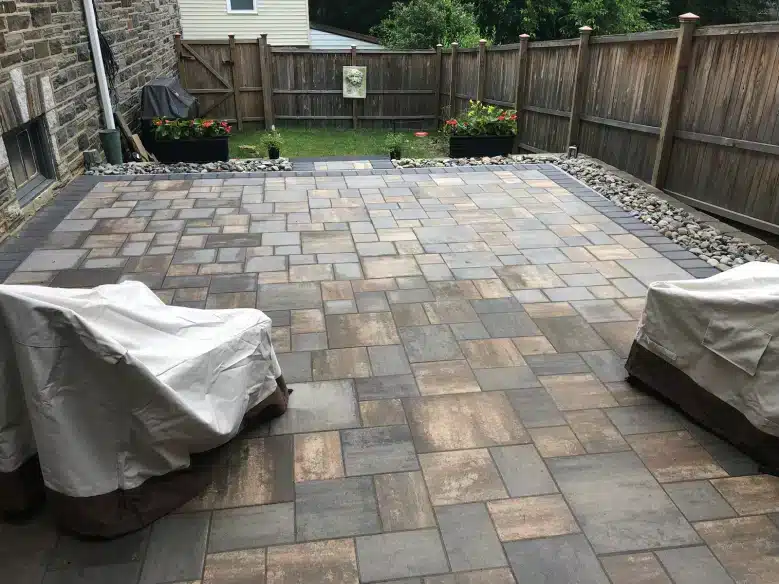
Designing a beautiful backyard in Pennsylvania starts with choosing the right hardscape materials. One of the most common questions homeowners ask is paver vs. natural stone, what’s better? The answer depends on your style, budget, and how you plan to use your outdoor space.
At Greenstone Gardens, a family-owned landscaping company based in Wayne, PA, we’ve spent over 44 years helping homeowners create outdoor spaces that balance beauty, durability, and function. Let’s break down the key differences to help you make a confident decision.
Understanding the Basics
Pavers are manufactured stones made from concrete or clay, designed to be uniform in size and shape. They’re engineered for strength and consistency.
Natural stone, as the name suggests, is quarried directly from the earth. Materials like bluestone, flagstone, and limestone offer organic textures and one-of-a-kind color variation. You can learn more about what qualifies as natural stone here.
Durability in Pennsylvania’s Climate
Pennsylvania’s freeze-thaw cycles, heavy rain, and seasonal temperature swings demand materials that can handle expansion and contraction.
- Pavers perform exceptionally well in PA climates because they’re installed as individual units. If one shifts or cracks, it can be replaced without disturbing the rest of the surface.
- Natural stone is extremely strong but varies by type. Some stones handle freezing temperatures better than others and require expert installation to avoid cracking.
For high-traffic patios, walkways, and driveways, professionally installed pavers often offer greater long-term flexibility.
Maintenance & Longevity
- Pavers are relatively low-maintenance. Occasional cleaning and joint sand replacement keep them looking sharp. Properly installed, they can last decades.
- Natural stone may require sealing and more attentive care, especially in shaded or damp areas where moss or staining can develop.
Both options are long-lasting, but pavers tend to offer easier upkeep for busy homeowners.
Appearance & Design Style
If you love clean lines and consistency, pavers provide a polished, modern look with a wide range of colors and patterns. Natural stone, on the other hand, delivers unmatched character no two pieces are alike, creating a timeless, organic feel.
Our team often helps homeowners blend these materials into custom designs through professional hardscape installation, like those featured here.
Cost Considerations
- Pavers generally have a lower upfront cost and predictable pricing.
- Natural stone is typically more expensive due to quarrying, transport, and specialized installation—but many homeowners feel the unique aesthetic is worth it.
Your budget, long-term goals, and desired look all play a role in determining value.
Which Should You Choose?
Choose pavers if you want durability, lower maintenance, and design flexibility. Choose natural stone if you value organic beauty, uniqueness, and a classic, upscale appearance. In many cases, a combination of both can deliver the best of both worlds.
Let Greenstone Gardens Bring Your Vision to Life
Whether you’re planning a new patio, walkway, outdoor kitchen, or full landscape redesign, Greenstone Gardens brings expert craftsmanship, thoughtful design, and personalised service to every project throughout Wayne and the surrounding Pennsylvania communities.
Ready to explore your options? Contact our team today to start planning your perfect outdoor space!
Common Questions:
1. Is natural stone or concrete pavers better for a custom outdoor kitchen floor?
For custom outdoor kitchens, concrete pavers or thermal natural stone (like flat-finished bluestone) are preferred. Standard, irregular natural stone can have natural clefts and ridges that make patio furniture wobble and unevenly balance heavy kitchen island structures. Additionally, if you select natural stone for a cooking space, it must be sealed to prevent grease, wine, and oil from permanently staining the porous rock. Read our 2026 outdoor kitchen design trends guide
2. Does a paver patio or natural stone patio add more value to a home in Wayne, PA?
Both options significantly boost your curb appeal and outdoor equity, but natural stone generally commands a higher perceived value in the historic real estate markets of Delaware and Chester Counties. Buyers frequently recognize the premium craftsmanship associated with natural flagstone or bluestone installations.
3. How do you prevent weeds from growing between patio stones in Pennsylvania?
The secret isn’t the stone itself, it’s the joint material. At Greenstone Gardens, we use advanced polymeric sand for pavers and select natural stone joints. This sand activates with water to create a strong, flexible binder that locks out weed seeds and prevents erosion from heavy rain, while still allowing the patio to flex naturally during winter freeze-thaw cycles.
4. Can you lay natural stone directly over an old concrete patio?
It is possible, but only if the existing concrete slab is perfectly level, structurally sound, and free of major cracks. If the underlying concrete settles or shifts during a PA winter, those cracks will reflect directly up through your new stone overlay. Our team always conducts an on-site structural evaluation before recommending an overlay versus a complete excavation.