
Summary:
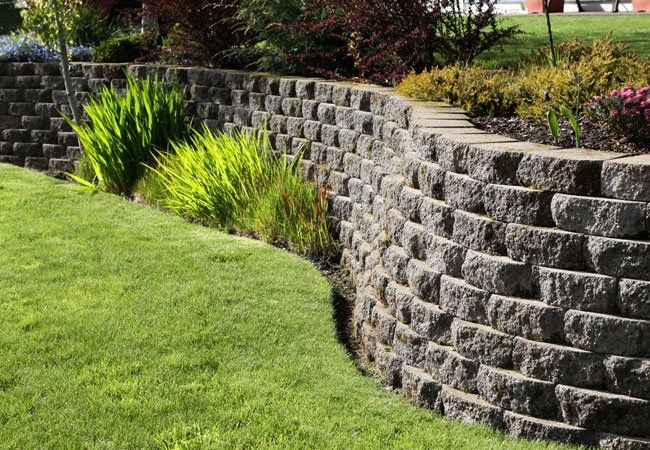
Segmental retaining walls provide a durable, engineered solution for managing erosion and poor drainage on sloped properties in Wayne, PA. Unlike rigid concrete or rotting wood, interlocking modular blocks allow for controlled movement during freeze-thaw cycles and incorporate built-in drainage systems to relieve hydrostatic pressure. Properly designed tiered walls transform unusable slopes into functional, level terraces while protecting home foundations and landscaping.
Living in Wayne, means enjoying beautiful, rolling terrain. However, that same topography can create significant headaches for homeowners. If your yard features a steep slope, you’ve likely dealt with the twin enemies of a healthy landscape: uncontrolled erosion and poor drainage.
At Greenstone Gardens, we’ve found that the most effective solution for these challenges isn’t just about planting more shrubs it’s about structural engineering. Specifically, segmental retaining walls have become the gold standard for transforming sloped yards into functional, beautiful outdoor spaces.
The Double-Threat: Erosion and Drainage
When heavy rainfall hits a sloped yard in Wayne, water doesn’t just sit there it moves. As it gains speed traveling downhill, it strips away topsoil, exposes plant roots, and carries sediment into your hardscaping or, worse, toward your home’s foundation.
Standard solutions like wooden timbers often rot, and poured concrete can crack under the intense hydrostatic pressure of trapped water. This is where segmental retaining walls shine.
Ready to design your dream yard?
If you are thinking about enhancing your landscape, the best time to start planning is now.
Get StartedWhy Segmental Walls are the Superior Choice
Segmental retaining walls are built using individual, interlocking concrete blocks. They offer distinct advantages specifically engineered for our local climate and terrain:
1. Built-in Drainage (Hydrostatic Pressure Relief)
The biggest mistake in wall construction is ignoring water pressure. A solid, non-porous wall acts like a dam, eventually buckling under the weight of water-saturated soil.
- The Segmental Difference: These systems are designed with “interlocking” dry-stack joints. Unlike mortar-set walls, these joints allow for minor movement without cracking.
- Engineered Drainage: We install a perforated drainage pipe (weeping tile) and a bed of clean-crushed stone behind the wall. This captures water at the source and directs it safely away from your foundation and landscaping, preventing the buildup of hydrostatic pressure.
2. Durability Against Freeze-Thaw Cycles
Wayne winters can be harsh. The constant freezing and thawing of soil causes it to expand and contract, which is brutal on rigid structures. Because segmental walls are modular and allow for slight, controlled movement, they are significantly more resistant to the heaving and cracking that ruins traditional walls.
3. Aesthetics That Mimic Nature
Gone are the days of “industrial” concrete blocks. Today’s segmental units come in a vast array of colors, textures, and shapes that mimic natural quarried stone. Whether you want a rugged, rustic look or clean, modern lines, these walls can be tailored to complement the architectural style of your Wayne home.
4. Maximizing Your Square Footage
A steep, unusable slope is essentially “dead” space. By installing a tiered retaining wall system, you can carve out flat, usable terraces. Imagine transforming a dangerous drop-off into a level patio for a fire pit or a tiered vegetable garden that is finally easy to access.
The Greenstone Gardens Approach
At Greenstone Gardens, we don’t just stack blocks. We look at the “big picture” of your yard’s hydrology. Our process ensures that your wall is:
- Geotechnically Sound: We ensure proper base preparation and compaction so the wall stays put for decades.
- Hydraulically Efficient: We implement advanced drainage solutions that keep your soil where it belongs: In your garden, not on your driveway.
- Visually Stunning: We select materials that elevate your property value and curb appeal.
Ready to Reclaim Your Yard?
Don’t let a sloped yard dictate how you live. With the right design and professional installation, a segmental retaining wall can turn your greatest landscape challenge into your home’s most striking feature.
Are you looking to address specific drainage issues in your backyard, or are you interested in creating a multi-level garden terrace?
Common Questions:
1. What exactly is a “segmental” retaining wall?
A segmental retaining wall is built using individual, high-strength concrete blocks that interlock with one another, often using a lip or a pin system. They are “dry-stacked,” meaning they don’t rely on mortar to hold them together. This allows the wall to be flexible, accommodating the natural shifting of soil caused by temperature changes.
2. Why is my slope causing drainage issues?
When it rains, water gains velocity as it moves down a slope. This flow picks up soil and debris, causing erosion. If water pools behind a structure (like a standard wall or your home’s foundation), it builds up “hydrostatic pressure.” Without a way to escape, this water can push over fences, crack foundations, or cause traditional masonry walls to bulge and collapse.
3. How long will a segmental wall last?
When installed correctly by professionals utilizing proper base compaction, geo-grid reinforcement, and drainage stone segmental walls are designed to last for decades. Unlike wooden railroad ties, which rot, or poured concrete, which eventually cracks, these systems are specifically engineered for longevity in the Northeast climate.
4. What is the difference between a retaining wall and a garden wall?
A garden wall is typically a decorative feature under 24 inches tall used for aesthetics. A retaining wall is a structural element designed to hold back a significant mass of soil. Because of the pressure involved, retaining walls require professional engineering, proper drainage systems, and a solid, compacted gravel base to ensure they don’t fail.
Professional Landscaping & Hardscaping Contractor in Wayne, PA
With over 44 years of personal industry experience, we’ve dedicated ourselves to serving both residential and commercial clients with unparalleled landscaping services, including hardscaping, drainage solutions, landscape design, and outdoor kitchens.