
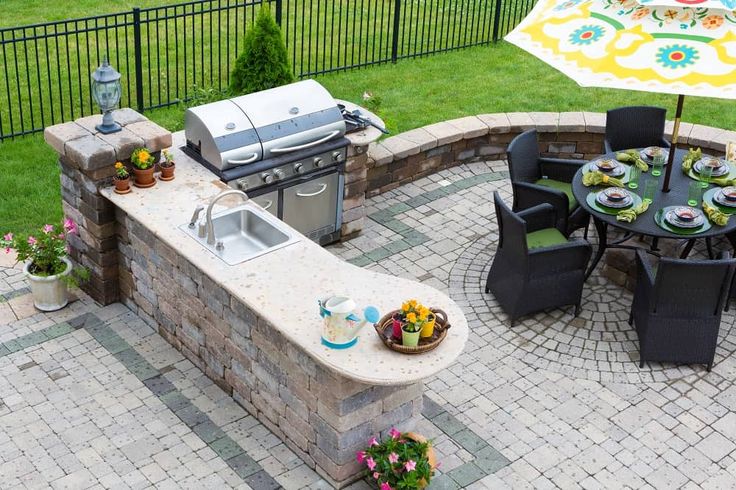
Summer in Wayne, PA is made for long evenings on the patio, and there’s no better way to make the most of the season than with a professional outdoor kitchen installation. Whether you’re picturing weekend cookouts with a built-in grill or a full outdoor entertaining space with counters, storage, and seating, this is the season to start planning. Here’s what homeowners in Wayne and the surrounding Main Line communities should know before breaking ground.
Why Summer Is the Right Time to Start
Warm weather isn’t just for enjoying an outdoor kitchen it’s also the ideal window to build one. Dry, stable conditions make it easier to pour foundations, set pavers, and complete masonry work without weather delays. Starting now also means your outdoor kitchen and any surrounding hardscape installation will be ready to enjoy before the season winds down, rather than sitting on a wish list for next year.
Step 1: Define How You’ll Use the Space
Before any design work begins, think through how your family actually uses the backyard. Do you host large gatherings, or is this mainly a space for weeknight dinners with the kids? Are you envisioning a simple grill station, or a full kitchen with a sink, refrigerator, and bar seating? Answering these questions upfront helps shape everything from layout to material selection, and it’s the foundation of a smart patio design that won’t feel outdated in a few years.
Step 2: Site Assessment and Design
Every outdoor kitchen installation starts with an honest look at your property. A contractor should evaluate:
- Grading and drainage: Water needs somewhere to go, and a poorly drained site can undermine even the best-built kitchen over time.
- Sun and wind exposure: This affects everything from where you place the grill to whether you’ll want a pergola or shade structure nearby.
- Existing utilities: Gas lines, electrical access, and water connections all factor into cost and layout.
- Flow with the rest of the yard: An outdoor kitchen rarely stands alone. It usually connects to a patio, walkway, or seating area, so the design should tie into your broader outdoor living plan.
This is also where patio design decisions come together with the kitchen layout choosing paver or natural stone surfaces that complement your home’s exterior while providing a durable, slip-resistant space for cooking and entertaining.
Step 3: Foundation and Hardscape Installation
An outdoor kitchen is only as good as what it’s built on. A proper hardscape installation begins with excavation and a compacted base, followed by a reinforced foundation designed to support the weight of countertops, appliances, and stone or masonry work. This stage also typically includes the surrounding patio, walkways, and any retaining or sitting walls that frame the space.
Skipping shortcuts here matters a foundation that isn’t properly built will lead to cracking, shifting, and costly repairs down the road. This is one of the reasons it pays to work with an experienced local team that understands Wayne, PA’s soil and drainage conditions.
Step 4: Cabinetry, Appliances, and Finishes
Once the foundation and structure are in place, it’s time for the details that make the space functional:
- Custom cabinet setup for storage and clean lines
- Burner and grill installation, sized to your cooking needs
- Countertop material selection granite, concrete, and natural stone are all popular choices for durability in outdoor conditions
- Optional additions like a sink, mini fridge, or pizza oven
Quality materials matter here more than almost anywhere else in the home, since your outdoor kitchen will face sun, rain, and temperature swings all year long.
Step 5: Tying It All Together
The best outdoor kitchens don’t feel like an isolated feature they feel like a natural extension of the yard. Pairing your kitchen with a well-designed patio, low-voltage lighting, and even a nearby fire pit or fireplace creates a space that works for cooking, dining, and relaxing all in one. This is where thoughtful patio design pays off, turning a single feature into a true outdoor living area.
Ready to design your dream yard?
If you are thinking about enhancing your landscape, the best time to start planning is now.
Get StartedWhat Homeowners in Wayne, PA Should Expect
Every project timeline varies based on scope, but most outdoor kitchen installations move through design, permitting (if required), site prep, foundation work, and finishing over the course of several weeks. A reputable contractor will walk you through each phase, keep the worksite clean, and communicate clearly about any adjustments along the way.
Why Work with a Local, Experienced Team
Greenstone Gardens is a family-owned, second-generation company bringing decades of hands-on experience to hardscaping and outdoor living projects throughout Wayne, PA and the surrounding Main Line. From initial design through foundation building, cabinet setup, and final finishes, our team manages every stage of your outdoor kitchen installation with the same craftsmanship we bring to patios, walkways, and retaining walls.
If you’ve been dreaming of a backyard built for summer entertaining, now is the time to start the conversation. Whether you need a full outdoor kitchen, a hardscape installation to support it, or a fresh patio design to bring the whole space together, our team is ready to help you plan a project that fits your home and your lifestyle.
Ready to get started? Call Greenstone Gardens at (484) 480-5335 or reach out through our contact page to schedule a consultation before summer gets away from you.
Common Questions:
1. What is the typical timeline for an outdoor kitchen project?
While every project is unique, most outdoor kitchen installations involve several phases: design, permitting (where applicable), site excavation, foundation work, and the final installation of appliances and finishes. The entire process typically spans several weeks. Factors such as the complexity of the design, the need for utility connections (gas, water, electric), and material availability can influence the final schedule.
2. Do I need a permit for an outdoor kitchen in Wayne?
Permit requirements vary depending on the specific scope of the work and local township regulations. Generally, if your project involves significant electrical, plumbing, or gas line installation, permits are likely required. A professional, experienced contractor will handle the permitting process for you, ensuring that all work complies with local building codes.
3. How do I choose the right materials for my outdoor kitchen?
Durability is the top priority for outdoor environments. You should select materials capable of withstanding the Northeast’s climate, including intense summer sun, rain, and winter freeze-thaw cycles.
- Countertops: Granite, concrete, and natural stone are popular, high-performance choices.
- Cabinetry: Opt for materials specifically rated for outdoor use, such as stainless steel or high-density polymer, to prevent warping or rust.
4. What should I consider regarding utilities?
Integrating utilities is a critical part of the design process. You must account for:
- Gas lines: Required for built-in grills or pizza ovens.
- Electrical: Essential for refrigerators, lighting, outlets for small appliances, and potential audio-visual equipment.
- Plumbing: Necessary if you plan to include a sink or wet bar. Always ensure these utilities are planned early to avoid costly retrofitting after the patio and masonry work are completed.
5. How does the site’s drainage affect my project?
Proper drainage is non-negotiable. Without an effective plan, water can pool around your appliances or seep under your pavers, leading to shifting, cracking, or damage to your home’s foundation. A professional contractor will assess the grading of your yard and install the necessary drainage solutions (such as drainage pipes or a properly sloped base) to keep your kitchen area dry and stable for years to come.
6. Can an outdoor kitchen be added to an existing patio?
Yes, it is possible to integrate an outdoor kitchen into an existing space. However, your contractor will need to verify if the existing base can support the significant weight of stone masonry and heavy-duty appliances. In many cases, adding a kitchen is the perfect opportunity to refresh or expand your existing patio design to create a more cohesive flow between your indoor and outdoor living areas.
Professional Landscaping & Hardscaping Contractor in Wayne, PA
With over 44 years of personal industry experience, we’ve dedicated ourselves to serving both residential and commercial clients with unparalleled landscaping services, including hardscaping, drainage solutions, landscape design, and outdoor kitchens.