
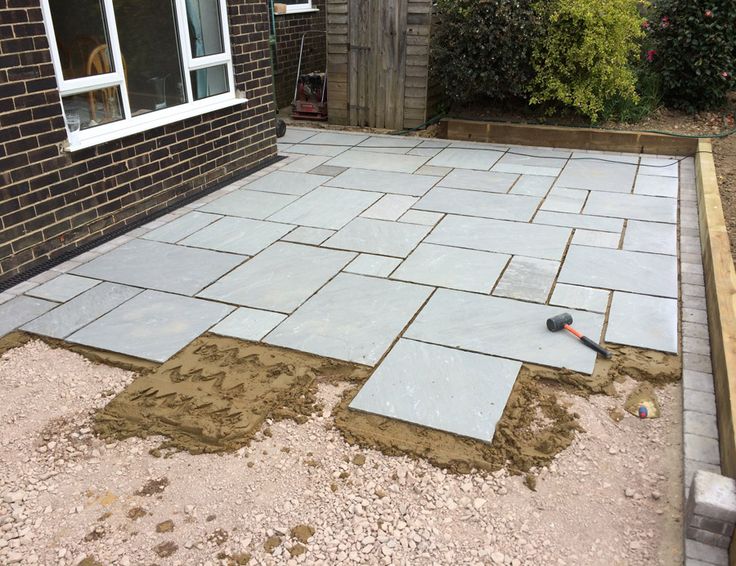
A patio is one of the most rewarding investments you can make in your home’s outdoor living space. It acts as the anchor for your backyard lifestyle, whether you are hosting summer barbecues or enjoying a quiet morning coffee. However, not all installations are created equal. When corners are cut during the construction phase or when the unique soil and weather challenges of our region are ignored, homeowners often face expensive, frustrating issues down the road.
If you are currently planning a patio installation, understanding these common failure points is the first step toward ensuring your project stands the test of time.
1. Inadequate Base Preparation: The Invisible Foundation
The most critical part of a patio is what you don’t see: the foundation. A patio is only as stable as the aggregate base beneath it. If the base is not properly excavated, compacted in layers, and leveled, the surface will inevitably settle unevenly. This leads to dips, trip hazards, and pavers shifting over time. A professional paver contractor understands that the integrity of the base is what keeps your patio level for years, not just weeks. We utilize mechanical plate compactors to ensure the sub-base is rock-solid, preventing future movement.
2. Poor Drainage Design and Improper Pitch
Pennsylvania’s climate involves significant freeze-thaw cycles and seasonal rainfall. If a patio is installed without the correct slope (often referred to as the “pitch”) usually at least 1/4 inch per foot water will fail to move away from your home’s foundation. This not only creates slippery conditions but can also lead to structural damage and severe frost heave during the winter, where trapped water expands under the pavers, causing them to bulge and crack.
3. Failure to Use Geotextile Fabric
A common shortcut involves skipping the use of professional-grade geotextile fabric. This fabric acts as a vital separator between the native subgrade soil and the stone aggregate base. Without it, the weight of the patio and the pressure from foot traffic can cause the stone base to sink into the softer soil over time, resulting in a wavy, uneven patio surface.
4. Edge Restraint Failure
Pavers are not held in place by mortar; they rely on an interlocking system that must be locked in place at the perimeter. If edge restraints (the heavy-duty spikes and plastic or metal barriers around the border) are missing or improperly installed, the pavers will “creep” outward. Over time, this leads to significant gaps appearing between the pavers, allowing weeds to invade and the structure to lose its stability.
5. Improper Jointing Material
The spaces between your pavers are not just for aesthetics; they provide the interlocking friction that keeps the entire surface stable. Using standard sand instead of professional-grade polymeric sand is a mistake. Standard sand washes away with rain and provides the perfect environment for weeds, ants, and moss. Polymeric sand, once activated, hardens into a durable, flexible, and weed-resistant barrier that maintains the structural integrity of your layout.
6. Ignoring Site-Specific Soil Conditions
Every property has different drainage capabilities. Clay-heavy soil, common in many parts of Pennsylvania, retains water far longer than sandy loam. An experienced paver contractor will assess the soil composition before breaking ground. If the drainage is poor, additional steps like installing perforated drain lines or deeper aggregate basins may be necessary to ensure the longevity of your installation.
7. Choosing Aesthetics Over Quality Materials
It is easy to get caught up in the style, color, and texture of the pavers themselves. However, choosing a beautiful stone without considering its thickness or load-bearing capacity for your specific needs is a common pitfall. Whether you need a standard pedestrian patio or a heavy-duty area meant for a hot tub or outdoor kitchen, selecting the right material grade is vital for avoiding cracks and premature wear.
Why Professional Expertise Matters
Choosing the right paver contractor is the difference between a patio that looks great for a year and one that looks great for a decade. At Greenstone Gardens, we specialize in precision installations that account for Pennsylvania’s unique soil and drainage conditions. We believe in doing the work correctly from the ground up, ensuring your investment is built to last.
If you are looking for an honest assessment or a quote for a new outdoor project, our team is here to guide you through the process, from initial site analysis to the final finish.
Contact us today to ensure your project is built to the highest professional standards.
Common Questions:
1. Why is my new paver patio sinking?
Sinking is almost always caused by an inadequate base. If the soil wasn’t properly compacted or if the base material layer is too thin, the patio will settle over time.
2. What is the standard slope for a patio?
To ensure proper water runoff, a patio should typically have a slope of at least 1/4 inch per foot away from the house foundation to prevent pooling.
3. Do I really need a geotextile fabric under my patio?
Yes. This fabric acts as a stabilizer, preventing your gravel base from migrating into the native soil, which is vital for preventing long-term sinking and warping.
4. How can I prevent weeds from growing in my patio joints?
Using high-quality, professional-grade polymeric sand is the most effective way to prevent weeds. It hardens once activated with water, creating a tight, weed-resistant barrier.
5. How long should a professional paver patio last?
When installed by a qualified paver contractor using proper base preparation and high-quality materials, a concrete paver patio can last 20 to 30 years or more.
6. Can you install a patio over an existing concrete slab?
In some cases, yes, provided the slab is in good structural condition and has proper drainage. However, it often requires specific preparation, such as drilling holes for drainage or using a sand-setting bed, to ensure the new pavers bond correctly.
7. How do I know if my paver contractor is doing a good job?
Ask about their base depth, compaction process, and drainage plan. A professional should be able to explain exactly how they are preparing the foundation to handle local weather.
8. What causes paver edges to spread?
Paver spreading is typically caused by a lack of proper edge restraints. Edging secures the perimeter stones, keeping them locked together and preventing lateral movement.
9. Is DIY patio installation worth it?
While DIY can save on upfront labor costs, the lack of professional equipment and the high risk of drainage or foundation errors often make professional installation more cost-effective in the long run.
10. What time of year is best for patio installation in Pennsylvania?
Spring and early autumn are generally the best times, as the moderate temperatures are ideal for base material compaction and preventing complications related to extreme heat or frozen ground.