
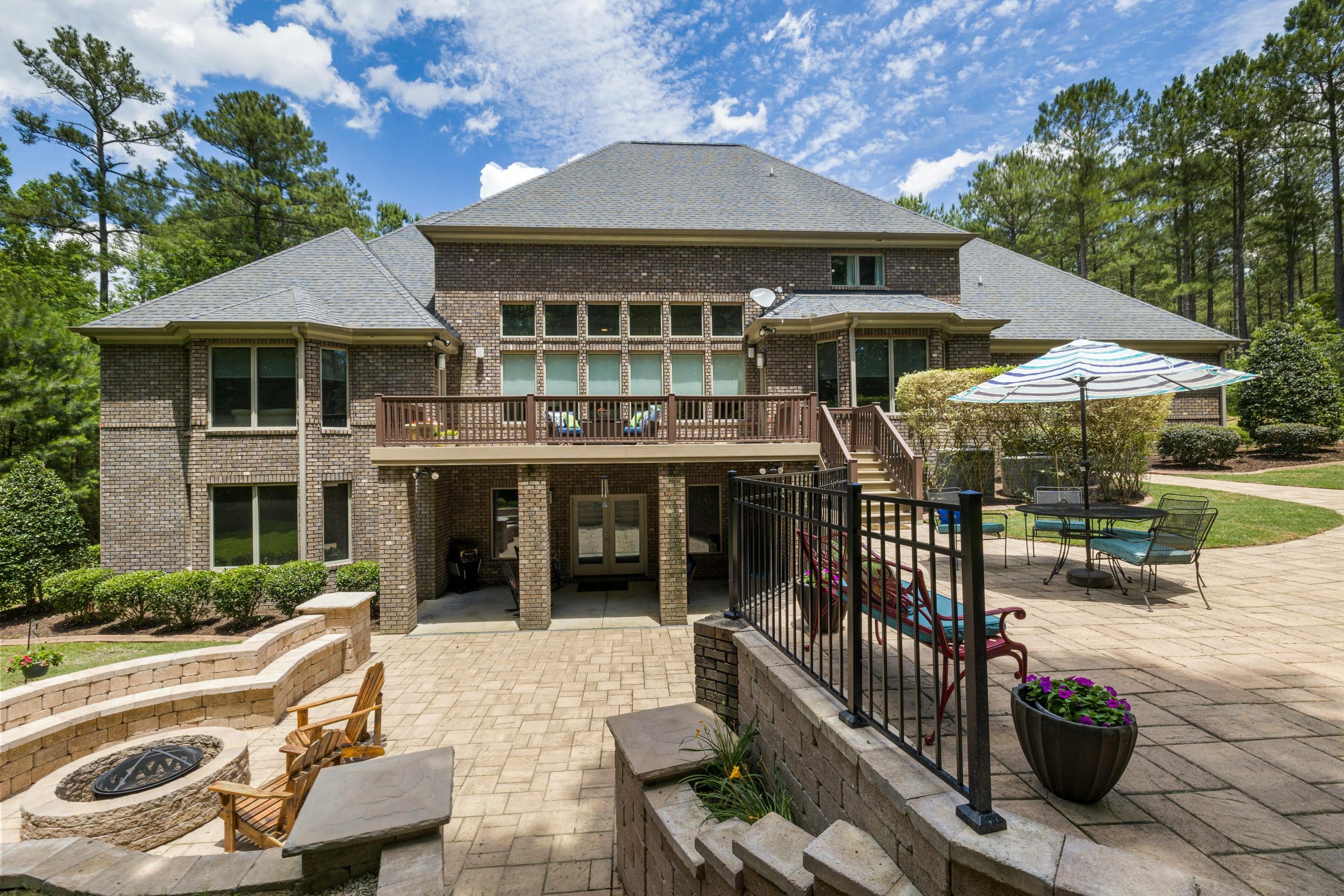
A well-designed patio can completely transform your backyard into a functional and beautiful outdoor living space. Whether you want a relaxing retreat, an entertainment area for guests, or a family-friendly gathering space, professional patio installation can significantly improve both the appearance and usability of your property.
While many homeowners attempt DIY patio projects, working with an experienced paver contractor helps ensure long-lasting durability, proper drainage, and a custom design that complements your landscape.
At Greenstone Gardens, we specialize in professional hardscaping and patio installation services that help homeowners create outdoor spaces built for comfort, style, and long-term performance.
Why Backyard Patios Are So Popular
Outdoor living spaces have become one of the most desirable home improvements for modern homeowners. A professionally designed patio extends your living area outdoors while creating a dedicated space for relaxation and entertainment.
Benefits of backyard patios include:
- Increased property value
- Improved curb appeal
- Expanded entertaining space
- Better outdoor functionality
- Low-maintenance landscaping
- Enhanced lifestyle and comfort
Professional patio installation allows homeowners to fully customize the design, materials, and layout to fit their property and lifestyle.
How a Paver Contractor Designs the Perfect Patio
Creating the perfect backyard patio involves much more than placing pavers in the ground. An experienced paver contractor carefully plans every aspect of the project to ensure beauty, functionality, and durability.
1. Evaluating the Backyard Layout
Every successful patio installation begins with a site evaluation.
A professional paver contractor will assess:
- Yard size and shape
- Slope and grading
- Drainage conditions
- Existing landscaping
- Sunlight exposure
- Traffic flow
This evaluation helps determine the best patio location and design while preventing future drainage or structural problems.
Professional drainage services are often integrated into patio projects to protect the installation long term.
2. Creating a Custom Patio Design
No two outdoor spaces are identical. A custom patio should reflect both the homeowner’s needs and the property’s architecture.
Popular patio features include:
- Outdoor dining areas
- Fire pits
- Seating walls
- Built-in lighting
- Outdoor kitchens
- Pergolas
- Garden borders
A professional paver contractor can recommend layouts and materials that maximize both functionality and aesthetics.
Explore custom hardscape designs for inspiration.
3. Choosing the Right Patio Materials
Material selection plays a major role in the appearance and longevity of the patio.
Popular patio installation materials include:
Concrete Pavers
- Durable and versatile
- Available in many colors and patterns
- Low maintenance
Natural Stone
- Elegant and timeless appearance
- Unique textures and colors
- Premium outdoor aesthetic
Brick Pavers
- Traditional and classic style
- Excellent durability
- Strong visual appeal
An experienced paver contractor can help homeowners choose materials based on budget, design goals, maintenance preferences, and climate conditions.
4. Proper Base Preparation and Installation
One of the most important parts of patio installation happens below the surface.
Without proper preparation, patios can develop:
- Uneven surfaces
- Shifting pavers
- Drainage problems
- Cracks and settling
Professional paver contractors follow a detailed installation process that includes:
- Excavation
- Gravel base preparation
- Soil compaction
- Level grading
- Edge restraints
- Joint stabilization
This ensures the patio remains structurally sound and visually appealing for years.
Professional hardscaping services help homeowners avoid costly future repairs caused by improper installation.
5. Integrating Landscaping and Hardscaping
The best backyard patios blend seamlessly into the surrounding landscape.
Combining patio installation with landscaping features creates a cohesive outdoor environment that feels balanced and inviting.
Common combinations include:
- Garden beds
- Stone walkways
- Landscape lighting
- Retaining walls
- Decorative plantings
- Water features
This integration enhances curb appeal while improving backyard functionality.
You can pair patio upgrades with complete landscape design services for a full outdoor transformation.
Why Hire a Professional Paver Contractor?
Although DIY patio projects may seem appealing, improper installation often leads to expensive repairs and reduced lifespan.
Hiring a professional paver contractor provides several advantages:
Expert Design Guidance
Professionals help optimize layout, material selection, and backyard functionality.
Proper Drainage Planning
Correct grading and drainage prevent standing water and structural damage.
High-Quality Craftsmanship
Experienced contractors ensure precision installation and long-term durability.
Faster Project Completion
Professionals have the tools, equipment, and expertise to complete projects efficiently.
Long-Term Value
A professionally installed patio can significantly improve property value and outdoor enjoyment.
At Greenstone Gardens, we deliver custom patio installation solutions tailored to each homeowner’s outdoor vision.
Upgrade Your Backyard with Professional Patio Installation
A custom patio is one of the best investments you can make for your home and outdoor lifestyle. Whether you want a quiet backyard retreat or a spacious entertainment area, working with a skilled paver contractor helps ensure your patio is both beautiful and built to last.
From design planning to final installation, Greenstone Gardens provides expert hardscaping services that transform ordinary backyards into stunning outdoor living spaces.
Contact Greenstone Gardens today to schedule a consultation and start planning your perfect backyard patio.
Common Questions:
1. Why should I hire a paver contractor instead of doing a DIY patio install?
While DIY videos make it look simple, patio installation requires heavy equipment, precise math, and intense physical labor. Homeowners often skip or rush soil compaction and grading, which leads to sagging pavers, pooling water against the house, and tripping hazards within a year. A contractor guarantees structural integrity, proper water runoff, and usually offers a workmanship warranty.
2. How does a paver contractor ensure the patio won’t sink or shift over time?
Longevity is entirely about what happens underground. A professional contractor follows a strict multi-layer sub-surface process:
- Excavating down 6 to 8 inches to reach stable subgrade soil.
- Laying a geotextile fabric barrier to keep soil from mixing with the stone.
- Adding 4 to 6 inches of crushed stone base, compacted in thin layers.
- Adding a 1-inch bedding sand layer for leveling.
- Installing edge restraints (snapped into the ground) to stop perimeter pavers from spreading outward.
3. What is the most durable patio material for climates with harsh winters?
Interlocking concrete pavers are widely considered the best choice for freeze-thaw climates. Unlike poured concrete, which cracks when the ground freezes and expands, an interlocking paver system is flexible. The joints between the pavers act like tiny expansion seams, allowing the entire patio to flex and settle back into place without breaking.
4. How do paver contractors handle backyard drainage and water runoff?
A critical part of site evaluation is calculating slope. Contractors use a transit or laser level to ensure the patio slopes slightly away from your home’s foundation—typically dropping 1/4 inch for every linear foot. If your yard slopes naturally toward the house or has a steep grade, the contractor will integrate French drains, catch basins, or retaining walls to intercept the water.
5. What are the pros and cons of polymeric sand vs. regular sand in paver joints?
Contractors almost exclusively recommend polymeric sand for modern patios.
- Pros: It contains specialized additive binders that harden when swept into joints and misted with water. This lock-in effect acts like concrete mortar, completely blocking weed growth, resisting ant hills, and preventing water from eroding the base beneath.
- Cons: It is more expensive than regular sand and requires perfectly dry conditions during application to avoid leaving a hazy white residue on top of the pavers.
6. Can a paver contractor install a patio over an existing concrete slab?
Yes, this process is called an overlay, but it depends entirely on the condition of the concrete. If the existing slab is structurally sound, level, and free of major deep cracks or shifting, a contractor can lay thin pavers directly over it using an asphalt-emulsion or sand-set bed. However, if the old concrete is crumbling or sinking, it must be broken up and hauled away first.
7. How long after a paver patio is installed can I place heavy furniture or a hot tub on it?
For standard patio furniture, fire pits, and light foot traffic, you can use the patio immediately after the contractor finishes compacting the final layer of joint sand. However, if you plan to install an extremely heavy feature like a hot tub or an outdoor stone kitchen, you must notify the contractor before construction begins. They will need to excavate deeper and reinforce the stone aggregate base underneath that specific zone to handle the heavy load.
8. What questions should I ask when interviewing paver contractors?
To ensure you are hiring a qualified professional, always ask:
What kind of warranty do you offer on the installation workmanship?
Are you ICPI (Interlocking Concrete Paver Institute) certified?
Do you carry active general liability and workers’ compensation insurance?
Will you call the local utility digging hotline (like 811) before excavating?
What type of base material do you use, and how deep will you dig?