
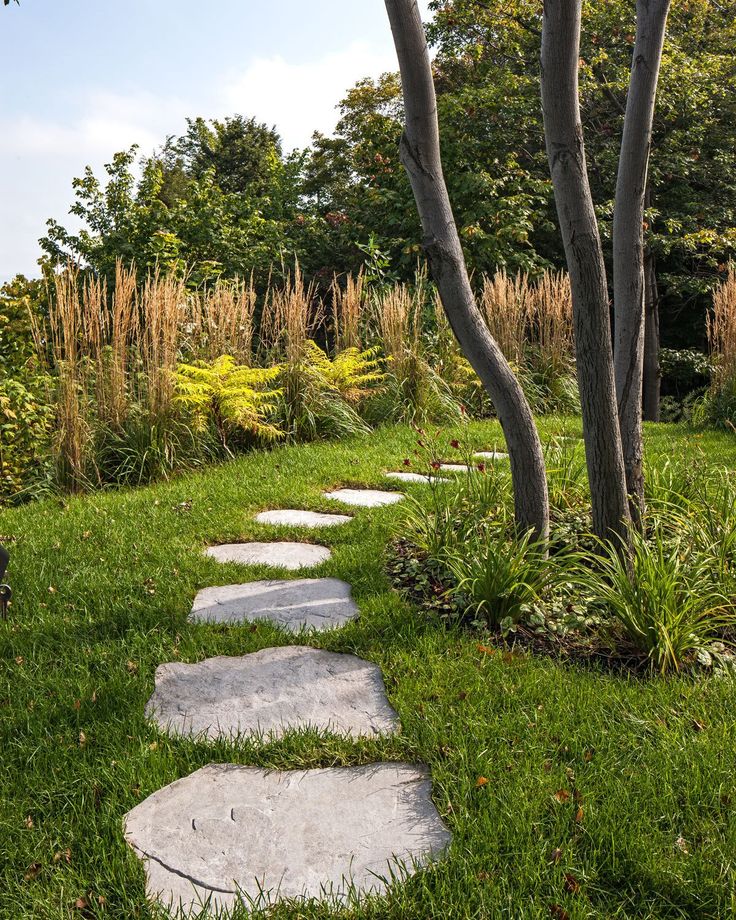
A well-installed stone walk is one of the most satisfying upgrades a homeowner can make. It enhances the beauty, function, and long-term value of any property. But a severely installed one? This can result in cracked stones, heaving paths, pooling water, and costly repairs in just a few seasons.
What is frustrating is that most mistakes made when installing a stone walkway are completely preventable if you know what to look for. We’ve spent years fixing work at Greenstone Gardens that looked fine on day one but was built on shortcuts that were always going to catch up.
This guide will walk you through the most common mistakes that we see in stone walkway installations in Wayne, PA, and the surrounding area and how our hardscaping services ensure none of them happen on your project.
Mistake #1: Skipping Proper Base Preparation
The biggest mistake we see with stone walkway installation is poor base preparation, which is the most damaging and hardest to fix after the fact. The base is the hidden foundation for all that follows. When it’s wrong, no amount of beautiful stone on top will save the installation.
What goes wrong:
• Excavation that’s too shallow, leaving insufficient room for a proper gravel base
• Skipping compaction of the sub-base soil before laying gravel
• Using the wrong base material standard, fill dirt instead of crushed stone
• Ignoring drainage layers, which allows water to saturate the base and cause frost heave
How to avoid it:
To properly install a stone walkway, you need to dig down to a depth that will accommodate the stone and the gravel base. This is usually 4 to 6 inches deep. The gravel needs to be compacted in layers, not just dumped and smoothed. In Pennsylvania’s climate, where freeze-thaw cycles are a real factor every winter, this step isn’t optional; it’s what separates a walkway that lasts 40 years from one that needs repair in three.
Proper base work also involves grading the excavated area so water drains away from your home and off the surface of the path. Without this planning, you’re essentially building a low spot that collects water every time it rains.
Mistake #2: Poor Drainage Planning
Water is the enemy of any hardscape installation not meant to handle it. Stone walkways that do not take into account how the water moves across and beneath the surface start to fail as soon as the first heavy rain hits, and every rain thereafter makes it worse.
What goes wrong:
• Flat or slightly inward-sloping walkways that trap water on the surface
• No consideration for where water goes when it runs off the path edge
• Saturated base soils that freeze in winter and push stones upward
• Walkways installed in low-lying areas without drainage infrastructure beneath them
How to avoid it:
At Greenstone Gardens, every walkway we install is graded with a slight cross-slope that directs water off the surface and away from the home. Together, we coordinate the installation of stone walkways in conjunction with our drainage solutions on properties that have issues with low spots, high water tables, or clay-heavy soils, so they work together. One of the most common (and expensive) oversights in DIY and lower-quality contractor installations is ignoring this connection.
Mistake #3: Choosing the Wrong Stone for the Application
Not all natural stone is created equal. Using the wrong type for your specific walkway application is a mistake that will show up in both durability and appearance. Some stones work better than others for certain applications, climates and installation styles.
What goes wrong:
• Using thin or fragile stone in high-traffic areas where it will crack under load
• Selecting smooth-finish stones for paths that must remain safe in wet or icy conditions
• Choosing stone types that don’t hold up to Pennsylvania’s freeze-thaw cycles
• Mismatching stone to the home’s architectural style, creating a disconnected look
How to avoid it:
When choosing stone, start with the application, not what looks good in a showroom. Pennsylvania bluestone is the gold standard for formal front entry walkways: durable, attractive and regionally appropriate. Irregular flagstone is warm and versatile for garden paths and informal routes. For budget-conscious stepping stone paths, there are quality options that hold up over time.
We discuss stone options with every client during our on-site consultation, explaining the trade-offs between materials, cost, and long-term performance so they can make an informed choice.
Mistake #4: Inconsistent or Improper Stone Spacing and Jointing
The joints between individual stones are more than just aesthetic; they affect how the walkway handles water, foot traffic and settling over time. Bad jointing is one of the most obvious signs of an amateur installation and gives rise to both functional and visual problems.
What goes wrong:
• Inconsistent spacing that creates tripping hazards and an uneven appearance
• Joints that are too wide and left unfilled, allowing weeds to establish
• Using regular sand instead of polymeric sand, which washes out and allows joint migration
• Applying mortar in joints without proper base preparation, leading to cracking
How to avoid it:
Joint sizing for flagstone and irregular stone should follow the natural edges of the stone, usually between half an inch and one and a half inches for a naturalistic look. With cut stone such as bluestone, it’s all about getting the alignment exact and the spacing even for that clean professional finish. The joint material has to be suitable for the installation: for dry-laid paths, polymeric sand; for formal settings where permanence is the goal, mortar.
We pay careful attention to jointing at every stage of installation. This is the detail work that separates a great stone walkway from an average one, and it’s an area where shortcuts always reveal themselves over time.
Mistake #5: Ignoring Grade and Slope Across the Walkway
Even homeowners who know how important drainage is tend to forget how important having a consistent grade across the surface of the walkway is. Errors in slope that seem minor during installation become serious problems when water, ice and foot traffic begin their work.
What goes wrong:
• High and low spots that create tripping hazards and puddle collection
• Stones that rock or shift because they were placed on an uneven base surface
• Walkways that slope toward the home instead of away from it
• Transitions between the walkway and adjacent surfaces (lawn, steps, driveway) that are abrupt or uneven
How to avoid it:
The stone setting process is carried out with constant checking of levels and careful base preparation to ensure a consistent grade. Each stone should be laid on a properly prepared, level, stable surface. Every stone we place, we check the level, slope and transition to the adjacent stones before moving on. It takes patience to get this right and it’s just the sort of detail that gets rushed if a contractor is trying to move too fast.
Mistake #6: Neglecting Edging and Perimeter Containment
Foot traffic, lawnmowers, car tires, and the natural tendency of soil and plants to move inward all put a lot of stress on the edges of a stone walkway. Even a well-installed stone path will start to lose its shape over time if it doesn’t have the right edging.
What goes wrong:
• No edge restraints, allowing the stone pattern to spread and the base to migrate
• Using plastic edging that doesn’t hold in heavy soil or against sustained pressure
• Leaving the edge stones unsupported, so they tip or drop below the path level
• Not considering how adjacent plantings will interact with the walkway edge over time
How to avoid it:
The type of installation determines how to treat the edges properly. For formal cut-stone walkways, the edges can be set in mortar or held in place by steel edging that is hidden under grass or mulch. For informal dry-laid paths, edge stones are chosen and sized to hold the perimeter in place. In either case, the plan for how to set the stones is made before the work starts, not after.
Good edge design also takes into account the area around the walkway. Where a stone path borders planting beds, we often coordinate with our landscape design work to ensure ground covers, shrubs, and low plantings complement the path edge without undermining it.
Mistake #7: Inadequate Compaction During Installation
Compaction is a common theme in the right way to install a stone walkway, whether it’s at the sub-base, the gravel base layer, or the setting bed. If you skip or rush any of these compaction steps, you will create voids and instability that will show up as settling, rocking stones, and uneven surfaces.
What goes wrong:
• Gravel base layers that are too thick to compact evenly in a single pass
• Setting bed sand that wasn’t screeded to a consistent depth before stone was placed
• Stones placed on an incompletely compacted base that shifts under the first heavy load
• Post-installation compaction not performed after joints are filled
How to avoid it:
When compacting, you should do it in thin layers, adding a new layer only after the last one has been compacted. You should compact the gravel base layers in passes that are 2 to 3 inches wide. The sand used for setting should be screeded to a uniform depth and not disturbed until the stone is put in place. A plate compactor is used to make sure everything is in place after the stones have been put in and the joints have been filled. A lot of installers skip this last step, but it makes the finished walkway much more stable in the long run.
Mistake #8: Rushing the Timeline
It takes time to put in a good stone walkway. If you want to build a path that is big or complicated, it will take more than one day. Trying to cut down on the time to save money or meet a fake deadline is one of the best ways to make sure you get a result that isn’t what you wanted.
What goes wrong:
• Insufficient time spent on base preparation to “make up time” on the schedule
• Stone fitting that’s rushed, resulting in poor-looking, irregular joints
• Jointing and sealing are done before the base materials have fully settled
• Skipping final grading and landscape restoration to hit a deadline
How to avoid it:
From the beginning, we are honest with clients about how long things will take. Depending on how hard the job is, what kind of stone is used, and how much landscaping work needs to be done around the walkway, a good stone walkway installation for a normal residential front path could take two to four days from start to finish. We don’t schedule projects that we can’t finish well, and we don’t rush through parts of the installation that need time.
Mistake #9: Skipping the Sealing Step
A lot of homeowners and some contractors don’t think sealing is necessary. No, it isn’t. Natural stone has holes in it, and without a sealant, it can soak up water, oil, stains, and living things that can change the color of the surface and break down the stone over time.
What goes wrong:
• Stone left unsealed stains quickly and permanently from leaf tannins, oils, and rust
• Polymeric sand joints that weren’t sealed after installation wash out faster and allow weed infiltration
• Sealer applied too soon after installation, before the stone has properly dried and cured
• Wrong sealant type used for the stone not all sealers work for all stone types
How to avoid it:
After installing stone walkways, we suggest sealing them with the right sealant for the type of stone. Different types of natural stones, like bluestone, flagstone, and others, have different porosity and surface properties that affect which product works best. We also tell clients how often to seal their stone walkway, which is usually every two to three years, so they can protect their investment for a long time.
Mistake #10: Not Hiring an Experienced Stone Walkway Contractor
Choosing a contractor based only on price, without checking that they have specific, verifiable experience installing natural stone walkways, is probably the worst mistake of all.
What goes wrong:
• General laborers without stone-specific experience who underestimate the skill required for fitting and leveling
• Contractors who use the same installation method regardless of stone type
• Companies that subcontract walkway work to crews they’ve never worked with
• Installers who don’t assess drainage, grade, or site conditions before beginning work
How to avoid it:
Ask potential contractors to show you stone walkways they’ve already built that they can stand behind, preferably in styles and conditions that are similar to what you’re planning. Find contractors who are licensed, insured, and have proof of experience doing hardscaping work, not just general landscaping. Also, make sure that the people who come to your property are employees of the company and not a subcontracted team.
Our team members at Greenstone Gardens are skilled professionals who have installed stone in Wayne and the nearby communities of Delaware County and Chester County. We don’t subcontract your project, and we don’t treat stone installation as just another landscaping task.
Why Greenstone Gardens for Your Stone Walkway Installation
We’ve spent years helping homeowners avoid or fix each of the mistakes listed above. We prepare, craft, and pay close attention to detail when we install stone walkways so that these problems don’t happen in the first place.
We’ll look at your site, talk about your vision, and give you honest advice on things like choosing the right stone, the design, the timeline, and the cost. We build flagstone walkways, formal bluestone front paths, and garden stepping stone routes the right way the first time.
Ready to get started? Contact Greenstone Gardens today. You can also call us directly at (484) 480-5335.
Frequently Asked Questions
1. What is the most common stone walkway installation mistake?
The most common and damaging mistake when installing a stone walkway is not preparing the base properly. Even the best natural stone will shift, heave, and fail within a few seasons if the gravel base isn’t deep enough, properly compacted, or sloped for drainage. A bad foundation can’t be fixed by putting good stone on top of it.
2. How deep should the base be for a stone walkway?
In the Wayne, PA area, a compacted gravel base of 4 to 6 inches is standard for most residential stone walkways, plus the depth of the stone itself. The depth will depend on the type of soil, the thickness of the stone, and how much traffic is expected. If the soil is very clayey or doesn’t drain well, you may need to dig deeper and add more drainage aggregate to keep frost heave and settling from happening.
3. How do I know if my stone walkway was installed incorrectly?
Signs of a bad installation are stones that move or rock when you walk on them, visible high and low spots on the surface, water pooling on or along the path, heaving or frost damage after winter, joints that have washed out or grown weeds heavily, and edge stones that have tipped or dropped. Any of these signs could mean that one or more of the installation mistakes we talked about above happened.
4. How long should a properly installed stone walkway last?
A stone walkway that is professionally installed with high-quality natural stone can last 30 to 50 years or longer. Natural stone doesn’t wear down or fade like synthetic materials do, and you can replace damaged stones without having to take the whole installation apart.
5. What type of stone is best for walkways in Pennsylvania?
Signs of a bad installation are stones that move or rock when you walk on them, visible high and low spots on the surface, water pooling on or along the path, heaving or frost damage after winter, joints that have washed out or grown weeds heavily, and edge stones that have tipped or dropped. Any of these signs could mean that one or more of the installation mistakes we talked about above happened.
6. Why is drainage so important for stone walkways?
Water is the primary cause of stone walkway failure. When water saturates the base material beneath a walkway, it causes the base to shift. In cold climates like ours in Pennsylvania, saturated base soils freeze and expand in winter a process called frost heave that pushes stones upward and out of alignment. Water that pools on the surface creates slip hazards and accelerates surface weathering. Proper drainage design, from surface slope to base gravel selection, prevents all of these issues. On properties with known drainage challenges, we often recommend coordinating stone walkway installation with comprehensive drainage solutions.
7. Does a stone walkway increase home value?
Yes. Natural stone walkways are consistently recognized by buyers and appraisers as quality permanent improvements. They add curb appeal, signal maintenance and care, and are difficult to replicate cheaply, which means they hold their value in a way that synthetic alternatives don’t. In communities like Wayne, where outdoor presentation matters, a well-designed stone walkway is both an aesthetic and financial asset.