
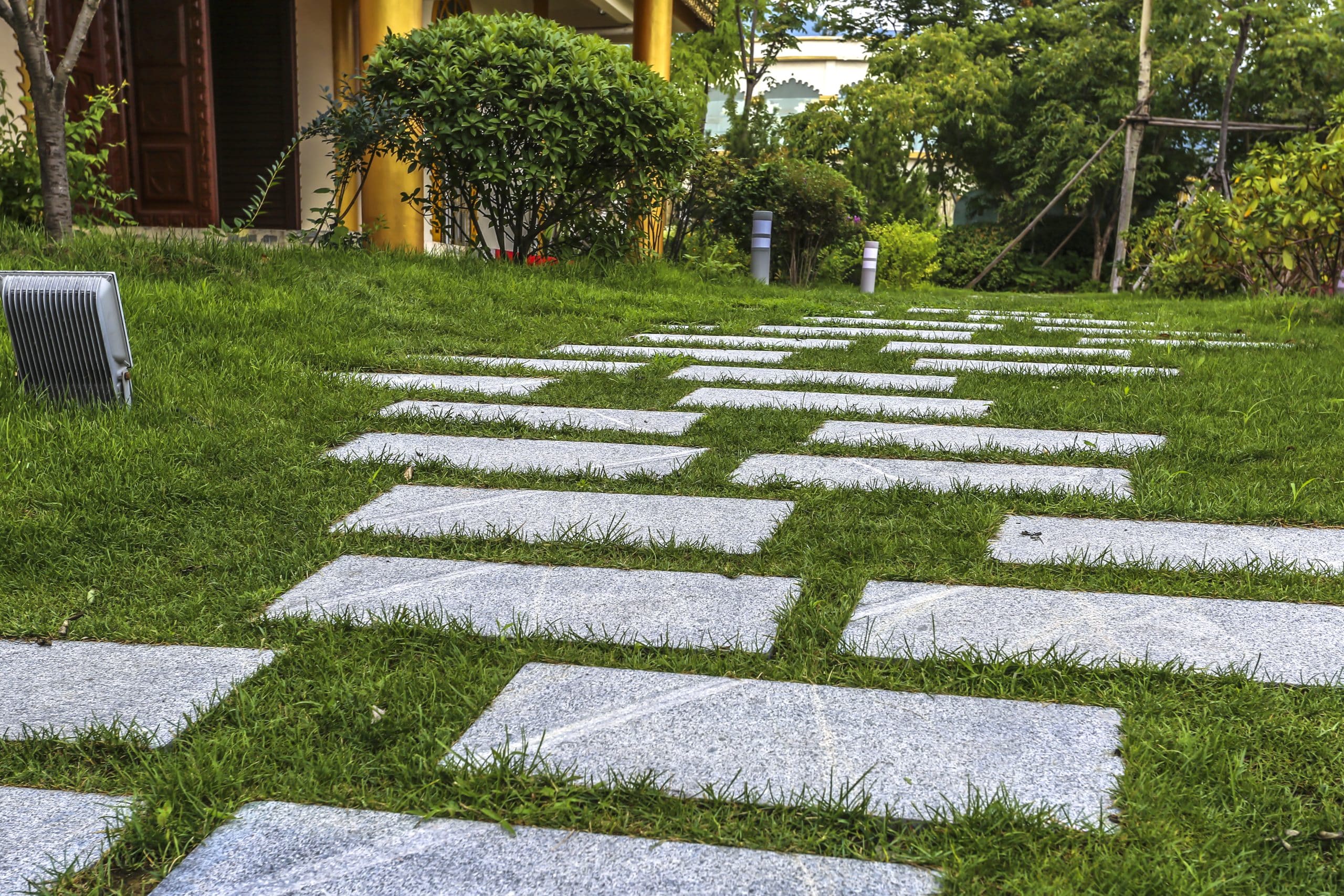
Pennsylvania winters can be very hard on your outdoor living spaces. Your stone features have probably been under a lot of stress over the past few months because of the constant freeze-thaw cycles and the salt used to melt ice. Since the ground in Newtown Square has finally thawed, it’s time for a full inspection after the winter.
We at Greenstone Gardens think that taking action ahead of time is the best way to make sure your hardscape installation lasts for decades. This is your guide to checking out your property this spring.
1. Check Your Stone Walkways for Shifting
“Heaving” is the most common problem that happens after a Delco winter. When water freezes under your stone walkways, it expands and pushes the stones up. The stones may not go back to where they were when they thaw.
- What to look for: Rocks that are uneven, big gaps that weren’t there in the fall, or things that could trip you.
- The Fix: You can often fix small shifts by resetting individual stones. However, if the ground is really heaving, it could mean that the base layer is broken or that there is a drainage problem that needs to be fixed by a professional.
2. Inspect Flagstone Walkways for Spalling
People love flagstone walkways because they look so natural, but they can be prone to “spalling,” which is when the top layers of the stone start to flake or peel off. Using harsh chemicals to de-ice things often speeds up this process.
- What to look for: Thin, wafer-like pieces of stone coming off the surface or spots that look “pitted.”
- The Pro Tip: If you see a lot of flakes, don’t use wire brushes because they can hurt the stone even more. Instead, talk to a pro about sealing the stone to keep more moisture from getting in.
3. Evaluate Joint Sand and Mortar
The material between the units is very important, no matter if you have pavers or natural stone. Heavy snowmelt and winter winds can wash away the polymeric sand or break the mortar that holds your hardscape installation together.
- What to look for: Missing sand, mortar joints with deep cracks, or weeds starting to grow in the gaps.
- Why it matters: Water can get to the base of your installation through gaps in the joints, which will make it shift more during next year’s freeze.
4. Look for “Salt Damage” and Staining
Rock salt is great for safety, but it can be bad for masonry. It can leave behind white, powdery deposits called efflorescence, or in worse cases, it can make the stone’s surface worse.
- The Solution: The answer is that a gentle power wash on a low setting can often get rid of these deposits. If the stains don’t go away, you may need a special masonry cleaner that won’t hurt your plants or the soil around them.
Why Invest in Professional Hardscaping Services?
Hardscaping services are what make up the “bones” of your yard. A DIYer can do basic cleaning, but to fix structural problems, you need to know a lot about soil compaction, drainage, and materials science.
If you hire professionals to do your hardscaping work this spring, you can be sure that:
- Structural Integrity: We don’t just fix the surface; we also fix the problems at the base that caused the shifting in the first place.
- Material Matching: We can find stone that matches so that repairs are hidden.
- Longevity: Our repairs and Hardscape installations are made to last in the Mid-Atlantic region, where the weather can be tough.
Conclusion: Don’t Wait for the Damage to Spread
In April, it’s easy to ignore small cracks and shifts in your stone walkways, but by July, they could cause major structural problems. A quick check today could save you thousands of dollars in replacement costs down the road.
Is your hardscape ready for the patio season? Call Greenstone Gardens right away if you’ve seen shifting, cracking, or drainage problems around your outdoor living areas. We help homeowners in Newtown Square build outdoor spaces that will last for years, from fixing things to putting in new hardscapes.
Schedule Your Hardscape Consultation Today or call 484-939-6217
Common Questions:
1. Why are the stones in my walkway uneven after the winter?
In Pennsylvania, this is usually caused by “frost heaving.” When water in the soil freezes, it expands and pushes stones upward. If the base material wasn’t properly compacted or if there is poor drainage, the stones may not settle back into their original position once the ground thaws.
2. What is stone “spalling” and how do I fix it?
Spalling is when the surface of stones (common in flagstone) begins to flake, peel, or pit. This is often caused by the absorption of water followed by a freeze cycle, or by the use of harsh de-icing salts. To fix it, loose debris should be removed gently, and a professional-grade breathable sealer should be applied to prevent further moisture penetration.
3. Can I use a power washer to clean my pavers and stone features?
Yes, but use caution. A high-pressure setting can damage the stone surface or blast away the polymeric sand in the joints. Use a low-pressure, wide-fan tip and keep the nozzle moving. For stubborn salt stains or efflorescence, a specialized masonry cleaner is safer than high-pressure.
4. Is “efflorescence” (white powder on stones) permanent?
No. Efflorescence is a natural occurrence where salt minerals inside the stone or mortar rise to the surface as water evaporates. While it often fades on its own, it can be removed with a gentle wash or a specific efflorescence cleaner.
5. Why is the sand between my pavers disappearing?
Heavy snowmelt and spring rain can wash away the jointing sand. If you have weeds growing in the gaps, it’s a sign that the polymeric sand, which hardens to create a seal, has broken down. Re-sanding is a critical maintenance step to prevent water from reaching and eroding the base layer.
6. Can I just put new sand over old paver sand?
It is not recommended. For the best results, you should power-wash out the old, failing sand and organic debris, allow the joints to dry completely, and then sweep in new polymeric sand before activating it with a light mist of water.