
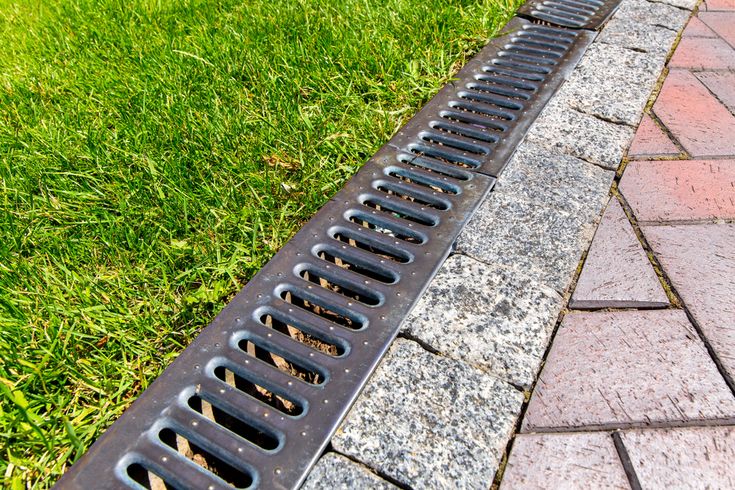
Fall rain, clogged gutters, and dormant plants can leave your yard saturated just as the ground is about to freeze. Water that doesn’t drain now can turn into ice, foundation moisture, and hardscape damage over winter. Warning signs include standing water lasting more than 24 to 48 hours, spongy turf, pooling near the foundation, and erosion. Simple fixes like cleaning gutters and extending downspouts can help, but lasting results usually require professional drainage solutions such as French drains, catch basins, regrading, dry wells, and swales. Installing these in fall, before the ground freezes, makes the work easier and protects your property through winter and into spring. Greenstone Gardens offers drainage services that evaluate your yard, design a custom plan, and install it with your landscape in mind.
Fall is the best time to fix a drainage problem, and often the last chance to do it before winter. Once the ground freezes, water has nowhere to go. It sits on the surface, freezes, thaws, and freezes again, working its way toward your foundation, patios, and plant beds.
At Greenstone Gardens, we see the same pattern in Main Line yards every year. A yard that looked fine in summer turns soggy after a few weeks of fall rain, then freezes into a sheet of ice. Most of these problems can be fixed if you act early.
Here’s how to spot fall drainage problems and what to do about them before the ground locks up.
Why Fall Is a Critical Time for Yard Drainage
Several things happen at once in the fall that put extra stress on your yard:
● Heavier, steadier rainfall saturates soil that has already been through a long growing season.
● Fallen leaves clog gutters, downspouts, and surface drains.
● Dormant plants stop pulling water out of the soil, so it stays wet longer.
● Cooling temperatures slow evaporation.
● The first hard freeze is on its way. Saturated soil that freezes can expand, shift hardscapes, and trap moisture against your home.
Water that doesn’t drain in October becomes ice damage in January. That’s why fall is a busy season for drainage work, and why scheduling early pays off.
Signs Your Yard Has a Drainage Problem
You don’t need to wait for a flood to know something is wrong. Look for these warning signs after a good rain:
- Standing water that lasts more than 24 to 48 hours. Healthy soil should absorb or shed rainwater within a day or two.
- Soggy, spongy turf. If your lawn squishes underfoot days after the rain stops, water is stuck in the soil.
- Water pooling near the foundation. This is the most serious sign. Water against your home can lead to damp basements, cracks, and costly repairs.
- Erosion and washed-out mulch. Bare channels, exposed roots, or mulch piled up in low spots show where water is running.
- Moss, mushrooms, or yellowing grass. These often point to chronically wet soil.
- Overflowing gutters or downspouts that dump water right at the house.
- Ice patches on walkways and driveways after freeze-thaw cycles. These often trace back to water that never had a proper path away.
If you recognize two or more of these, it’s time to look at a proper fix rather than waiting for spring.
Ready to design your dream yard?
If you are thinking about enhancing your landscape, the best time to start planning is now.
Get StartedQuick Fall Fixes You Can Do Yourself
Some problems are simple. Before you call for help, try these:
● Clean your gutters and downspouts once the leaves are down.
● Extend downspouts so they release water 5 to 10 feet from the foundation.
● Clear leaves and debris from storm drains, window wells, and low spots.
● Check the grade around your home. Soil should slope gently away from the foundation.
● Aerate compacted lawn areas, which helps water soak in instead of running off.
● Pull mulch back from the foundation and from areas where it’s blocking water flow.
These steps help, but they won’t solve problems caused by grading, soil, or underground water. That’s where professional drainage services come in.
Professional Drainage Solutions That Work
Every yard is different, and the right fix depends on where the water comes from and where it needs to go. Common drainage solutions include:
1. French Drains
A French drain is a gravel-filled trench with a perforated pipe that collects groundwater and moves it away from problem areas. It’s a go-to solution for soggy lawns and wet spots along foundations.
2. Catch Basins and Surface Drains
Catch basins collect runoff from low spots and patios and send it through buried pipe to a safe discharge point. They work well in yards where water pools on the surface.
3. Regrading and Re-sloping
Sometimes the best fix is reshaping the land. Adjusting the grade so water flows away from your home, rather than toward it, can solve a surprising number of problems without any hardware.
4. Downspout Drainage Systems
Buried downspout lines carry roof water well away from your house and out to a proper outlet, so it never has the chance to saturate the soil near your foundation.
5. Dry Wells
A dry well is an underground chamber that collects water and lets it absorb gradually into the surrounding soil. It’s a good option when there’s no natural place for water to run.
6. Swales and Landscape Grading
A swale is a shallow, planted channel that directs water across your property. Done well, it solves a drainage problem and looks like part of the landscape.
7. Permeable Hardscapes
Permeable pavers and gravel allow water to soak through instead of sheeting off. They’re a smart choice for patios, walkways, and driveways.
Often the best result comes from combining a few of these. A professional assessment helps identify the root cause rather than just treating the symptom.
Why Fix Drainage Before the Ground Freezes?
● Digging is still possible. Installing French drains, catch basins, and buried lines is much harder, and sometimes impossible, in frozen ground.
● You can see how water actually moves. Fall rain shows exactly where water collects, which makes it easier to design the right solution.
● You’ll protect your property over winter. Proper drainage reduces ice buildup, freeze-thaw damage to hardscapes, and moisture near your foundation.
● You’ll start spring in better shape. Instead of facing a muddy, flooded yard when the thaw arrives, you’ll have a system ready to handle snowmelt and spring rain.
Waiting until spring means a full winter of risk, and often a more expensive repair.
What to Expect From Greenstone Gardens Drainage Services
When you work with our team, the process is simple:
- Site evaluation. We walk your property, look at the grading, soil, and structures, and identify where water is coming from and where it’s going.
- Custom drainage plan. We recommend the right combination of solutions for your yard, your budget, and your landscape goals.
- Professional installation. Our crew installs your system with the right materials, depth, and slope, then restores the area so your yard looks good.
- Lasting results. We design drainage to handle heavy rain, snowmelt, and seasonal swings, not just the next storm.
Because we’re landscapers first, we plan drainage so it blends into your yard, and we put your lawn and beds back the way we found them.
Don’t Wait for the Freeze
If your yard is flooding, pooling, or staying soggy this fall, the time to act is now. A short window remains before the ground freezes, and the right drainage fix can protect your home and your landscaping all winter.
Contact Greenstone Gardens today to schedule a drainage evaluation. Let’s fix the problem before winter makes it harder.
Common Questions:
1. When is the best time to fix yard drainage problems?
Fall, before the ground freezes. Soil is still workable for digging and trenching, and fall rain shows exactly where water collects. Waiting until spring means a full winter of risk and often a more involved repair.
2. How do I know if my yard has a drainage problem?
Common signs include standing water that lasts more than a day or two after rain, soggy or spongy lawn areas, water pooling near your foundation, eroded soil or washed-out mulch, and moss or mushrooms in persistently wet spots.
3. What causes yard flooding in the fall?
Heavier rain, leaf-clogged gutters and drains, compacted soil, poor grading, and dormant plants that no longer absorb water all contribute. Cooler temperatures also slow evaporation, so water lingers longer.
4. Can poor drainage damage my foundation?
Yes. Water that collects against your home can seep into basements and crawl spaces and contribute to cracking and moisture damage. Freezing and thawing can make the problem worse. If water is pooling near your foundation, have it evaluated promptly.
5. What are the most common drainage solutions?
The most common are French drains, catch basins, downspout drainage lines, dry wells, swales, regrading, and permeable hardscapes. The right choice depends on your soil, slope, and where the water is coming from. Many yards benefit from a combination.
6. What is a French drain and how does it work?
A French drain is a trench filled with gravel and a perforated pipe. It collects excess groundwater and carries it away to a safe discharge point, which makes it effective for soggy lawns and wet areas near foundations.
Professional Landscaping & Hardscaping Contractor in Wayne, PA
With over 44 years of personal industry experience, we’ve dedicated ourselves to serving both residential and commercial clients with unparalleled landscaping services, including hardscaping, drainage solutions, landscape design, and outdoor kitchens.