
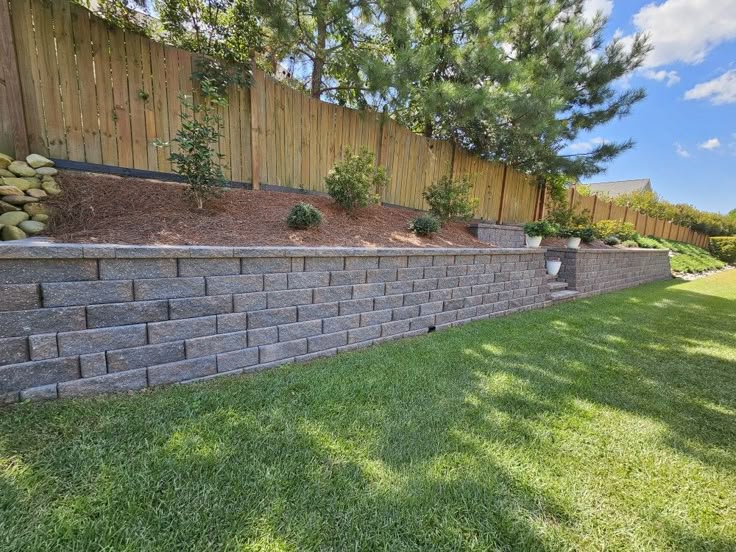
A damaged retaining wall can survive winter only if the damage is small and not getting worse. Leaning, bulging, horizontal cracks, widening gaps, and blocked drainage are warning signs that call for urgent attention. In Wayne, PA, freeze-thaw cycles, snow load, and heavy winter moisture put extra stress on weak walls. With the first snow on its way, November is a smart time to have your retaining wall inspected and stabilized, whether it’s segmental block or another type. Repairs don’t have to wait for spring.
Will a Damaged Retaining Wall Survive a Pennsylvania Winter?
Sometimes, but it is a gamble you should not take blindly. The answer depends on what kind of damage the wall has, whether it is still moving, and what is happening behind it.
A wall with a chipped cap, a hairline surface crack, or a single loose block that has not shifted in months can often get through winter with basic precautions. A wall that has moved, even slightly, is different. Winter adds three forces that can turn a small problem into a failure:
- Freeze-thaw cycles. Water enters cracks and joints, freezes, expands, and pries the wall apart. Pennsylvania winters often cycle above and below freezing many times.
- Hydrostatic pressure. Water trapped behind the wall adds pressure. If drains are clogged, that pressure has nowhere to go.
- Snow load. Snow piled at the top of the wall, plus meltwater soaking the soil, adds weight and water behind the wall.
Walls often fail in late winter or spring, when the soil behind them is saturated and heavy. A wall that “made it through” the cold months can still fail during snowmelt and spring rains.
What Are the Signs You Need Emergency Retaining Wall Repairs?
Not every flaw is an emergency. The key is separating cosmetic issues from signs of structural movement.
Red Flags: Act Immediately
Contact a professional right away if you see any of these:
- Leaning or tilting. The wall face is no longer vertical, or the lean is increasing.
- Bulging or bowing. A belly in the middle of the wall suggests soil pressure is pushing it outward.
- Horizontal cracks running along the wall face, or stair-step cracks in mortared walls.
- Blocks separating or sliding. Gaps between segmental units are widening or units are shifting out of position.
- Sudden movement. New damage after heavy rain, snowmelt, or a freeze-thaw swing.
- Sinkholes or depressions behind the wall or cracked pavement above it.
- Soil spilling through the wall or water carrying soil out of the base.
- A wall supporting a driveway, patio, structure, or slope that shows any of the above.
Yellow Flags: Schedule an Inspection Soon
These are less urgent but should be evaluated before snow arrives:
- Clogged or buried weep holes and drain outlets
- Loose or missing cap units
- Minor settling at one end or corner
- Persistent wet spots at the base or face
- White mineral staining (efflorescence), which is often cosmetic but can indicate moisture movement
- Tree roots near the wall base
Ready to design your dream yard?
If you are thinking about enhancing your landscape, the best time to start planning is now.
Get StartedHow Can You Tell If a Retaining Wall Is Still Moving?
A wall that is stable is much less urgent than one that is still moving. You can track this with a few simple checks. Stay off the wall and avoid leaning on it while you do them.
- Take dated photos. Photograph the wall face from the same spots, including wide shots and close-ups of cracks.
- Stretch a string line. Hold a string tight along the top of the wall (from a safe position at the ends) to see if the line bows or tilts.
- Mark crack ends. Use a pencil to mark the ends of cracks with the date. If cracks extend past the marks, the wall is moving.
- Measure gaps. Note the width of gaps between units with a ruler or tape and record it.
- Re-check after every storm and thaw. Compare to your earlier photos and measurements.
- Share the records with a professional. A timeline of changes helps them determine how fast the wall is moving and what caused it.
If you see progression at any point, stop monitoring and call for help.
What Should You Do Right Away If Your Retaining Wall Is Failing?
Safety comes first. A failing retaining wall can collapse with little warning, and the soil behind it is heavy.
- Keep people, pets, and vehicles away. Block off the area above and below the wall, including the zone where soil could fall.
- Do not climb on, lean against, or dig near the wall. Removing soil or adding weight can make the situation worse.
- Stop adding load. Do not park vehicles, stack materials, or pile snow near the top.
- Redirect water if it is safe. Move downspouts and hoses away from the wall. Do not dig trenches along the wall yourself.
- Document everything. Take photos and videos from a safe distance, with dates.
- Call a qualified contractor immediately. Describe the signs you see and mention the wall’s height and what it supports.
- Notify your insurance company if appropriate. Coverage varies by policy, so ask what is covered and what documentation they need.
- Ask about stabilization. A professional may recommend shoring, grading changes, or controlled removal of damaged sections right away.
If a wall is collapsing or threatens a structure, road, or person, call 911.
Can You Repair a Retaining Wall in Winter?
Yes. Retaining wall and hardscape work can continue throughout the winter, so there is no need to wait for spring if your wall is showing signs of trouble. An experienced contractor can assess the wall, stabilize it, and complete repairs on a schedule that fits the damage.
Depending on the condition of the wall, winter work may include:
- Clearing and restoring drainage
- Redirecting runoff away from the wall
- Reducing load at the top of the wall
- Rebuilding or replacing damaged sections
- Resetting caps and loose units
- Monitoring the wall through the season
Acting early matters more than the calendar. A wall repaired now is less likely to be hit by snow load and snowmelt while it is still compromised.
Why Do Segmental Retaining Walls Fail in Winter?
Segmental walls are built from interlocking concrete units and are known for durability when designed and installed correctly. They are also modular, so damaged sections can often be rebuilt without replacing the entire wall.
When they fail, the cause is usually one of these:
- Poor drainage: A missing or clogged drain pipe, no clean aggregate, or blocked outlets cause water pressure to build.
- Inadequate base: Soft or uncompacted soil under the base courses leads to settling.
- Missing or short geogrid: Taller walls rely on reinforcement tied into the soil. Without it, blocks can rotate or slide.
- Overloading: Driveways, sheds, added fill, or heavy snow piles exceed design limits.
- Freeze-thaw damage: Water trapped in joints or cracked units expands and loosens the wall.
Understanding the cause matters because a repair that ignores it will likely fail again.
Should You Repair or Replace a Damaged Retaining Wall?
Repair is often reasonable when damage is localized and the wall is still plumb. Replacement is usually better when the wall is leaning, bowing, or failing along its length, or when the original design lacked drainage or reinforcement.
A practical test is to compare written estimates. If repair costs approach about half the cost of replacement, or the same problem keeps returning, replacement often delivers better value. For a fuller comparison, see our guide to retaining wall repair versus replacement.
How Can You Reduce Risk Before the Snow Arrives?
If your wall has minor damage and an inspector says it can wait, these steps lower the risk:
- Clear drains and weep holes of leaves and debris.
- Redirect gutters and downspouts away from the wall.
- Regrade the surface above so water flows away from the wall, not over it.
- Reset loose caps so water cannot enter the joints.
- Keep snow piles away from the top and face of the wall.
- Avoid rock salt near the wall. It can damage concrete units and nearby plants.
- Photograph the wall monthly and after storms to catch changes early.
Who Should You Call for a Damaged Retaining Wall?
Call a hardscape or retaining wall contractor with experience in segmental systems, drainage, and geogrid reinforcement. Taller walls, walls near structures or property lines, and walls supporting slopes may also require engineering and permits, depending on your township’s rules. For an assessment of your wall in Wayne, PA, contact the team at Greenstone Gardens Inc. We handle retaining wall and hardscape projects year-round, including through the winter months.
Frequently Asked Questions
1. How do I know if my retaining wall is going to fail?
Leaning, bulging, horizontal cracks, widening gaps, sinkholes behind the wall, and failed drainage are the main warning signs. Movement that is getting worse is the biggest red flag.
2. Can a leaning retaining wall be saved?
Sometimes. If the lean is localized and the cause can be fixed, a section can be rebuilt. A wall leaning along its length usually needs full replacement.
3. Is a bulging retaining wall an emergency?
Yes, in most cases. A bulge indicates soil or water pressure pushing the wall outward. Keep people away and contact a professional promptly.
4. Will freeze-thaw cycles damage a retaining wall?
They can. Water in cracks and joints expands when it freezes and pries the wall apart. Good drainage and sound construction reduce the risk.
5. Can I fix a retaining wall in winter?
Yes. Retaining wall repairs can be completed throughout the winter, so you don’t have to wait for spring if your wall is damaged or showing signs of movement.
6. How long can a damaged retaining wall wait to be repaired?
It depends on the damage. Stable cosmetic issues can wait. Movement, leaning, or bulging should be evaluated immediately, and repairs should not be delayed.
7. What causes a retaining wall to crack or lean?
The most common causes are poor drainage, weak base preparation, missing reinforcement, overloading, and freeze-thaw damage.
Final Thoughts
A damaged retaining wall can sometimes make it through winter, but only if the damage is minor and stable and the drainage works. Leaning, bulging, horizontal cracks, and sudden movement are signs to act now. November is a great time to inspect, stabilize, and plan repairs on your retaining wall, and the work can continue all winter long.
Concerned about your wall? Contact Greenstone Gardens at greenstonegardensinc.com to schedule an assessment.
Professional Landscaping & Hardscaping Contractor in Wayne, PA
With over 44 years of personal industry experience, we’ve dedicated ourselves to serving both residential and commercial clients with unparalleled landscaping services, including hardscaping, drainage solutions, landscape design, and outdoor kitchens.