
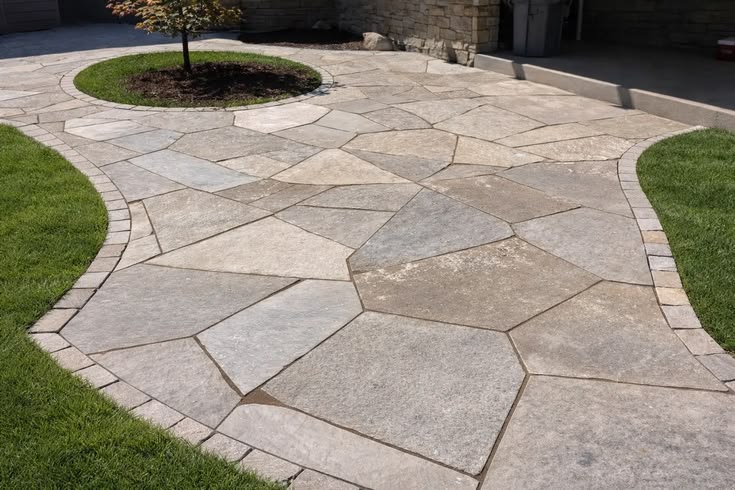
Winter is the best time for Wayne, PA homeowners to plan hardscaping, even though most construction waits for spring. Cold months allow time for design, permits, material choices, and scheduling with a hardscaping service before the busy season. Top projects to plan include patios, walkways and steps, retaining and seat walls, fire pit areas, outdoor kitchens, driveways, and drainage upgrades. Starting the process in November helps you secure a spring start date and a backyard that works better from day one.
Is Winter a Good Time to Plan Hardscaping Projects?
Yes. Winter is one of the best times to plan, even if it is not the best time to build.
In Wayne, PA, the ground freezes on and off once winter sets in, and snow usually follows soon after. Frozen soil cannot be properly excavated or compacted, and base stone and pavers need stable conditions to perform for decades. That is why most major construction waits until the spring thaw.
Planning, however, does not depend on the weather. Using the cold months for planning gives you several advantages:
- Time to design thoughtfully. You can think about how you actually use your yard instead of rushing decisions.
- Time for approvals. Some projects, especially walls and larger changes, may need township review or permits, which take time.
- Time to select materials. Pavers, wall units, and natural stone can have lead times, and choices are easier when you are not under deadline pressure.
- An earlier spot on the schedule. Contractors book quickly once spring arrives. Planning in winter helps you secure a start date.
- A clearer budget. You can phase the work and decide what to do now versus later.
Planning over the winter also lets you see how your yard handles snow and thaw: where water pools, where ice forms, and where snow piles up. Those observations make for better design.
What Are the Best Hardscaping Projects to Plan in Winter?
Here are seven projects that make a backyard more functional, with notes on what to decide during the cold months.
1. Paver Patio
A patio is the foundation of most backyard living spaces. Winter planning questions include size, shape, and location. Think about how many people you want to seat, where furniture will sit, and how the patio connects to the house and lawn.
Also consider sun and wind. Notice where the sun lands in winter, and plan shade and privacy for summer. Finally, decide on materials: interlocking concrete pavers, natural stone, or porcelain each offer different looks, maintenance needs, and costs.
2. Walkways and Steps
Walkways make a yard easier and safer to use, especially in wet or icy conditions. Winter is a good time to walk your property and spot problem areas: muddy paths, awkward grade changes, or routes you wish existed.
Plan for a slip-resistant surface, comfortable step heights, and good drainage. Well-designed steps and landings also make snow and ice management easier.
3. Retaining Walls and Seat Walls
If you have a slope, erosion, or an unusable corner of your yard, a retaining wall may be the answer. Segmental retaining walls can create level terraces, planting areas, or seating edges.
Planning matters most here. Walls need proper drainage, base preparation, and often reinforcement, and taller walls may require engineering and permits. Winter is the time to resolve those details so construction can start as soon as conditions allow.
4. Fire Pit and Seating Area
A fire pit extends the use of your backyard into cool evenings. During planning, decide on size, location, and whether it will be wood-burning or gas. Think about clearance from structures, trees, and fences, along with your township’s rules on recreational fires.
Seat walls can work as both seating and a low retaining wall, so one wall does two jobs.
5. Outdoor Kitchen or Grill Station
Outdoor kitchens range from a simple grill surround to a full cooking and dining area. Winter planning should cover layout, utilities (gas, electric, water), counter space, storage, and distance from the house.
Utilities often take the longest to coordinate, so starting early helps you avoid delays in spring.
6. Driveway and Parking Improvements
If your driveway is cracked, uneven, or too narrow, winter is a good time to evaluate it. Snow removal reveals problem spots: where water pools, where edges crumble, and where plows struggle.
Plan for a stable base, proper slope, and edge restraint. Consider whether you need extra parking, a turnaround, or a widened apron.
7. Drainage Solutions Built Into Hardscapes
Most hardscape problems start with water. Winter and early spring show you where it goes, which makes this the best time to plan solutions such as channel drains, dry creek beds, grading changes, and downspout extensions.
Good drainage protects patios, walls, foundations, and lawns, and it extends the life of every other hardscape you install.
Ready to design your dream yard?
If you are thinking about enhancing your landscape, the best time to start planning is now.
Get StartedHow Do You Plan a Hardscaping Project During Winter?
Follow this sequence to turn ideas into a spring-ready plan.
- Observe your yard. Note where snow melts first, where ice forms, where water pools, and how you actually use outdoor space. Photograph problem areas.
- Define your goals. List what you want the space to do: entertain, relax, cook, play, improve access, or manage water. Rank them by priority.
- Set a realistic budget range. Decide what you are comfortable investing, and consider phasing the work over more than one season.
- Contact a hardscaping service early. Schedule a consultation and site visit so a professional can assess grading, drainage, and access.
- Review design options. Look at layouts, materials, and colors. Ask for drawings or renderings when available.
- Confirm permits and approvals. Ask which permits or township approvals apply and who handles them. If you have an HOA, check its rules too.
- Select materials and finalize the scope. Lock in choices that may have lead times, and get a written scope and estimate.
- Reserve a start date. Agree on a target start for when the ground thaws, with a clear understanding of how weather delays are handled.
By the time the soil thaws, you will be ready to build rather than still deciding.
Can Hardscaping Be Installed in Winter in Pennsylvania?
Sometimes, but conditions matter. Excavation, base compaction, and bedding material all depend on workable, unfrozen ground. Cold temperatures also affect concrete, mortar, and some sealers and adhesives.
Most reputable installers avoid major construction while the ground is frozen, because poor compaction leads to settling and uneven surfaces later. Small repairs or emergency stabilization may still be possible, but full projects are generally best started in spring.
If someone offers to build a large paver or wall project in deep winter, ask how they will handle frozen ground, compaction, and drainage.
What Should You Ask a Hardscaping Service Before You Hire?
Winter consultations are a good chance to compare companies without time pressure. Ask:
- How do you prepare the base and manage drainage?
- Do you handle design, permits, and installation, or do you subcontract?
- What warranty do you provide, and what does it cover?
- Can you provide recent local projects and references?
- What is your estimated start date and how do you handle weather delays?
- What will the written estimate include and exclude?
A quality hardscaping service will explain its process clearly and welcome questions.
Who Can Help You Plan Hardscaping in Wayne, PA?
If you want help turning a winter wish list into a spring-ready plan, the team at Greenstone Gardens can assess your property, discuss options, and help you plan the right sequence of projects.
Frequently Asked Questions
1. What hardscaping projects should I plan in winter?
Patios, walkways, retaining walls, fire pit areas, outdoor kitchens, driveways, and drainage upgrades are all good candidates. Winter is best used for design, permits, materials, and scheduling.
2. Is winter a good time to hire a hardscaping contractor?
Yes. You have time to compare companies, review designs, and reserve a spring start date before the busy season begins.
3. Can pavers be installed in winter?
Major installations are generally best left until the ground thaws, because frozen soil cannot be properly compacted. Ask your installer how they handle cold-weather conditions.
4. When should I book hardscaping services for spring?
Ideally in late fall or winter. Contractors tend to fill their schedules quickly once warm weather arrives.
5. Do I need a permit for a patio or retaining wall?
It depends on the project and your township. Taller retaining walls, larger structures, and changes affecting drainage may require permits. Confirm with your contractor and local office.
6. How long does a hardscaping project take?
Timelines depend on size, design, weather, and materials. A small patio may take days, while larger projects with walls, drainage, and kitchens can take weeks.
7. What is the difference between hardscaping and landscaping?
Hardscaping covers non-living features such as patios, walls, walkways, and fire pits. Landscaping covers living elements such as plants, lawn, and trees. Most yards use both.
Final Thoughts
A functional spring backyard starts with decisions made in winter. Observe how your yard handles snow and meltwater, define what you want your space to do, and work with a hardscaping service to design, permit, and schedule your project. With the first snow on its way, November is the right time to start.
Ready to plan your spring project? Contact Greenstone Gardens to schedule an inspection.
Professional Landscaping & Hardscaping Contractor in Wayne, PA
With over 44 years of personal industry experience, we’ve dedicated ourselves to serving both residential and commercial clients with unparalleled landscaping services, including hardscaping, drainage solutions, landscape design, and outdoor kitchens.