
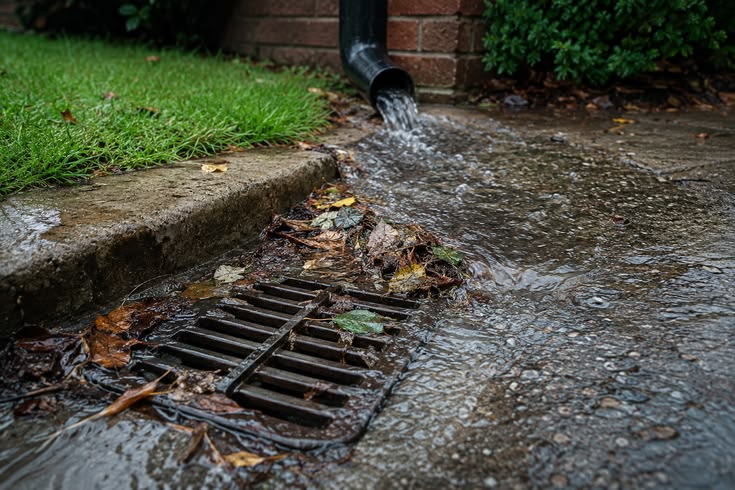
Drainage is the most important factor in how long a retaining wall lasts. Water trapped behind a wall adds weight and pressure, and in Wayne, PA that water also expands and contracts as temperatures swing during winter. A well-built segmental or retaining wall uses free-draining stone, a perforated pipe with a clear outlet, filter fabric, and surface grading to move water away. November is a great time to clear drains, redirect runoff, and inspect walls, and Greenstone Gardens completes retaining wall and hardscaping work throughout the winter if your wall needs attention.
Why Is Drainage So Important for a Retaining Wall?
A retaining wall has one job: hold back soil. Dry soil is heavy enough. Soil saturated with water is far heavier, and the water itself pushes against the wall. This pushing force is called hydrostatic pressure, and it can exceed the loads the wall was designed to handle.
Whether your wall is a segmental retaining wall made of interlocking concrete units, a poured wall, natural stone, or timber, water is the common enemy. Many failures that look like structural problems, such as leaning, bulging, or cracking, begin as drainage problems.
Good drainage does three things:
- Reduces pressure. Water exits instead of building up behind the wall.
- Keeps soil stable. Drier soil is lighter and less likely to slide or push outward.
- Limits freeze-thaw damage. Less trapped water means less expansion inside the wall system.
This is why experienced installers say that drainage is not an accessory to a retaining wall. It is part of the structure.
How Does Poor Drainage Damage a Retaining Wall?
Water attacks a wall in several ways at once.
1. Hydrostatic Pressure
When rain or snowmelt soaks the soil behind a wall and cannot escape, pressure builds. The wall is pushed outward, which can cause leaning, bulging, sliding, or cracking.
2. Freeze-Thaw Cycles and Frost Action
In Wayne, PA, winter temperatures swing above and below freezing. Water trapped in soil, joints, and cracks expands and contracts as temperatures change, and the cycle repeats. Over time, this can loosen units, crack caps, and open gaps in the wall.
3. Soil Erosion and Washout
Water that flows through or around the wall can carry soil with it. Soil loss leaves voids behind the wall and under the base, which can lead to settling, sinkholes, and collapse.
4. Base Softening
A wall depends on a firm, compacted base. Persistent moisture can soften the soil under the base courses, leading to uneven settlement and misaligned units.
5. Staining and Surface Deterioration
Mineral staining (efflorescence), algae, and spalling can point to constant moisture moving through the wall. These may seem cosmetic, but they can signal that water is not draining properly.
What Are the Parts of a Good Retaining Wall Drainage System?
A complete system manages water in multiple ways, both behind the wall and above it.
1. Free-Draining Aggregate Backfill
Immediately behind the wall, installers place clean, angular stone rather than native soil. This stone creates open space for water to move down and out. The depth and type of stone should follow the wall manufacturer’s guidelines and, for taller walls, an engineer’s design.
2. Perforated Drain Pipe
A perforated pipe at the base of the wall collects water from the aggregate zone and carries it away. The pipe must be sloped to drain and must have an outlet.
3. Filter Fabric
Geotextile fabric separates the drainage stone from the surrounding soil. It allows water through while preventing fine soil particles from clogging the stone and pipe over time.
4. Free-Flowing Outlets and Weep Holes
A drain pipe is only as good as its outlet. The pipe should daylight away from the wall or connect to an appropriate drainage point. On some walls, weep holes allow water to exit through the face. These must stay clear of debris and soil.
5. Surface Drainage and Grading
Water from above the wall matters just as much as water behind it. The ground should slope away from the wall, and roof runoff, downspouts, and irrigation should be directed elsewhere. In some cases, a swale or surface drain above the wall intercepts runoff before it enters the soil.
How Does Drainage Work in a Segmental Retaining Wall?
Segmental retaining walls are built from interlocking, dry-stacked concrete units. Because the units are not mortared, people sometimes assume water will simply pass through the joints. That is risky to rely on.
A properly built segmental wall includes a drainage zone of clean stone behind the units, a perforated pipe at the base, and a path for water to exit. For walls with geogrid reinforcement, the drainage design also needs to work with the reinforced soil zone, so details matter.
The modular design is an advantage when problems appear. If a section fails because drainage was missing or clogged, a contractor can often rebuild that section with a proper drainage system rather than replacing the whole wall.
What Are the Signs of Retaining Wall Drainage Problems?
Look for these warning signs, especially after heavy rain or a thaw:
- Water pooling at the base or soil staying wet for days
- Water running over the top of the wall
- Weep holes or drain outlets that are blocked, buried, or never flowing
- Leaning, bulging, or bowing of the wall face
- Widening gaps between blocks
- Soil washing out at the ends or base
- Sinkholes or depressions behind or above the wall
- White mineral staining or heavy algae growth
- Cracked pavement or settling patios above the wall
One sign may not mean failure, but several together, or any movement, calls for a professional evaluation.
Why Does Winter Make Drainage Even More Important in Wayne, PA?
Winter raises the stakes for three reasons.
- Freeze-thaw cycles cause trapped water to expand and contract, stressing the wall.
- Snow and debris can cover drain outlets and weep holes, trapping water behind the wall.
- Snowmelt and spring rain saturate soil quickly, and walls often fail during the thaw.
Snow piled near the top of a wall adds both weight and a large volume of meltwater. That makes November a smart time to confirm that your drainage is working, and winter a good time to get any needed improvements completed before spring rains arrive.
How Do You Check and Maintain Retaining Wall Drainage This Season?
Use this checklist as winter begins:
- Walk the wall after a rain, if possible. Look for pooling, runoff, and wet spots.
- Clear weep holes and drain outlets. Remove leaves, soil, and debris, and make sure water can flow out.
- Check downspouts and gutters. Extend downspouts so water discharges well away from the wall.
- Inspect grading above the wall. Make sure the soil slopes away from the wall, not toward it.
- Look for erosion. Note any soil washing out at the ends, base, or behind the wall.
- Remove nearby debris and mulch buildup that may cover outlets or hold moisture against the wall.
- Photograph everything. Dated photos help you spot changes after storms and thaws.
- Schedule a professional inspection if you see movement, blocked outlets you cannot clear, or persistent wet areas.
These steps take little time and can prevent costly damage.
Can You Fix Drainage on an Existing Retaining Wall?
Often, yes, but the approach depends on the problem.
- Simple fixes include clearing outlets, extending downspouts, adjusting grading, and removing debris.
- Moderate fixes may include adding surface drains, swales, or channel drains above the wall to intercept water before it reaches the wall.
- Major fixes may require excavating behind the wall to install proper drainage stone, filter fabric, and a perforated pipe. For segmental walls, this often means taking down and rebuilding a section.
Greenstone Gardens completes retaining wall and hardscaping work throughout the winter, so there is no need to wait for spring. If a wall is leaning or bulging, call a professional for guidance on safe, temporary measures and next steps.
How Long Does a Retaining Wall Last With Good Drainage?
There is no single number, because lifespan depends on materials, design, installation, soil, and maintenance. What is consistent is that walls with sound drainage, a solid base, and proper reinforcement tend to last far longer than walls without them.
A modest investment in drainage during construction, and regular maintenance afterward, is one of the most cost-effective ways to protect a wall.
Who Should Evaluate Your Retaining Wall Drainage?
A contractor with experience in segmental retaining walls can evaluate your drainage, identify weaknesses, and recommend repairs. Taller walls, walls near structures, and walls supporting slopes may need engineering and permits, depending on your township’s rules. For an inspection of your wall in Wayne, PA, contact the team at Greenstone Gardens Inc.
Common Questions:
1. Why is drainage important for retaining walls?
Drainage removes water that would otherwise build pressure behind the wall. Reducing that pressure lowers the risk of leaning, bulging, cracking, and failure.
2. What is hydrostatic pressure on a retaining wall?
It is the force created by water trapped in soil behind a wall. The pressure pushes outward and can exceed the load the wall was designed to carry.
3. Do all retaining walls need drainage?
Nearly all do. Even walls that allow some water through their face typically need drainage stone, outlets, and surface water control for reliable performance.
4. What is the best drainage for a segmental retaining wall?
A typical system includes clean aggregate behind the units, a perforated pipe at the base with a free outlet, filter fabric, and proper surface grading. Follow the manufacturer and engineer specifications.
5. What are weep holes in a retaining wall?
Weep holes are small openings that let water escape through the wall face. They must stay clear of debris and soil to work.
6. Can freeze-thaw cycles damage a retaining wall?
Yes. Water in cracks, joints, and soil expands and contracts with temperature changes and can loosen units, widen gaps, and increase pressure on the wall.
7. How do I know if my retaining wall has poor drainage?
Signs include pooling water, blocked outlets, leaning or bulging, soil washout, widening gaps, and persistent staining. Any movement should be evaluated promptly.
8. Can drainage work on a retaining wall be done in winter?
Yes. Greenstone Gardens completes retaining wall and hardscaping projects throughout the winter, so you can schedule an inspection and repairs whenever you need them.
Final Thoughts
Drainage, more than any other factor, decides whether a retaining wall lasts or fails. Keeping water from building up behind the wall protects it from pressure, erosion, and freeze-thaw damage. Clear the outlets, redirect runoff, and have a professional check your segmental retaining wall. With winter work available, you don’t have to wait for spring.
Want your wall’s drainage checked? Contact Greenstone Gardens Inc. to schedule an inspection.