
Summary:
Residential patio installation projects in Wayne and the Main Line typically take between 3 and 10 working days on-site, with full project timelines ranging from 3 to 6 weeks when factoring in design, permitting, and material lead times. Timelines vary based on patio size, material choice (pavers versus hand-fitted flagstone), site conditions, and local township requirements. Proper base preparation, soil compaction, and drainage installation are essential for withstanding Pennsylvania’s freeze-thaw cycles and ensuring long-term durability.
If you are planning a new patio for your Main Line property, timeline is usually the first practical question that comes up, right after budget. Most homeowners have a rough idea of the look they want, but far less certainty about how many days or weeks a crew will actually be in the yard.
This guide breaks down realistic patio installation timelines for Wayne, PA and the surrounding Main Line communities, what actually drives those timelines, and how to plan around them so your project stays on schedule from the first consultation to the final walkthrough.
Most residential patio installation projects in the Wayne, PA area take between 3 and 10 working days once construction begins, not counting design, permitting, or material lead time. A straightforward paver patio under 400 square feet with good drainage and easy access might wrap in 3 to 5 days. A larger or more complex flagstone patio, especially one that includes seating walls, steps, or drainage work, can run 1 to 3 weeks on site.
That said, the full project timeline, from your first call to a hardscaping contractor through final cleanup, is almost always longer than the on site construction window. Design, material ordering, and township permitting add real time before a single paver is ever set.
Ready to design your dream yard?
If you are thinking about enhancing your landscape, the best time to start planning is now.
Get StartedWhat Actually Determines Your Timeline
Every hardscape installation is shaped by a handful of variables. Here is what moves the needle most for Wayne, PA projects specifically.
1. Patio Size and Layout Complexity
A simple rectangular patio installs faster than one with curves, multiple levels, or an irregular footprint. Each additional cut, border course, or transition point adds labor hours. A patio that steps down to a lower lawn area or wraps around an existing deck will always take longer than an equivalent square footage laid on flat, open ground.
2. Material Choice
Concrete pavers are generally the fastest to install because units are uniform and machine cut. Natural flagstone takes longer since each piece is unique and has to be dry laid, arranged, and often cut or shaped by hand to fit tightly against its neighbors.
Flagstone brings a one of a kind, natural look that many Main Line homeowners want for period homes, but it typically adds several days compared to a paver installation of the same size.
3. Site Conditions and Existing Grade
• Sloped yards need additional grading and possibly a retaining or seating wall
• Heavy clay soil, common throughout Delaware and Chester County, needs a deeper excavated base to prevent heaving
• Poor drainage may require a French drain or catch basin before the patio base goes in
• Removing an old concrete slab or cracked walkway adds a demolition and haul away phase
Wayne sits on soil that shifts more than sandy or loamy ground during freeze and thaw cycles. A properly compacted gravel base, typically 6 to 8 inches for a patio, takes longer to prep here than it would in a region with more stable soil, but skipping that step is exactly what causes pavers to heave or settle after the first winter.
4. Permitting and Township Requirements
Radnor Township and neighboring municipalities may require a permit depending on the patio’s size, height above grade, and proximity to property lines or septic systems. Permit review can take anywhere from a few days to a few weeks depending on the township’s current workload. This step happens before installation begins, so it is worth starting the permitting conversation with your contractor as early as possible.
5. Weather and Season
Pennsylvania’s freeze thaw cycle makes late fall through early spring a riskier window for excavation and base work, since frozen or saturated ground does not compact reliably. Spring and early summer bring the highest demand for hardscaping contractors in the Wayne area, which can push out scheduling even if the physical install itself would only take a few days once crews are on site.
A Realistic Week by Week Breakdown
Here is what the full process typically looks like from first contact to a finished patio.
1. Consultation and design, 1 to 2 weeks. Site visit, measurements, material selection, and a design that fits your home and how you use the outdoor space.
2. Proposal, contract, and permitting, 1 to 3 weeks. Timeline depends heavily on whether a township permit is required and how quickly it is approved.
3. Material ordering and scheduling, 1 to 2 weeks. Most in stock pavers ship quickly, but specialty flagstone or custom colors can take longer to source.
4. Site prep and excavation, 1 to 2 days. Removing sod or old hardscape, grading, and digging to the correct base depth.
5. Base installation and compaction, 1 to 2 days. Gravel base laid in lifts and compacted in stages, which is the single most important step for long term durability.
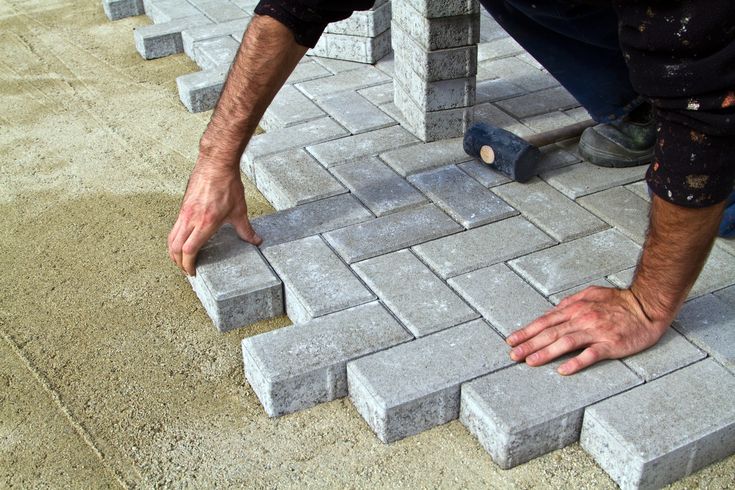
6. Setting the patio surface, 1 to 5 days depending on size and material. Pavers or flagstone are laid, leveled, and cut to fit.
7. Joint fill, edge restraint, and cleanup, 1 day. Polymeric sand or stone dust joints, edging installed, and the site is cleaned and walked through with you.
Typical Timelines by Project Type
| Patio Size / Project Type | Typical Install Window | What Extends It |
| Small paver patio (under 300 sq ft) | 3 to 5 days on site | Poor access, heavy clay soil, drainage work |
| Mid size paver patio (300 to 600 sq ft) | 5 to 8 days on site | Curved layout, multiple paver colors, borders |
| Flagstone patio (any size) | 7 to 12 days on site | Hand fitting, irregular stone, dry stack detailing |
| Patio with seating wall or steps | 10 to 15 days on site | Wall footings, added excavation, grading around walls |
| Patio with integrated drainage system | Add 2 to 4 days | Trenching, catch basins, tie ins to existing downspouts |
These ranges reflect on site construction time under normal conditions with reasonable equipment access. Full project timelines, including design and permitting, generally add another 3 to 6 weeks before the crew arrives.
Why Rushing Hardscape Installation Backfires
It is tempting to want the fastest possible timeline, but the steps that take the most time, base compaction, proper drainage slope, and correctly bedded joints, are exactly what determine whether a patio still looks good in five years or starts to shift, sink, or crack after its first hard winter.
An experienced hardscaping contractor will not cut corners on base depth or compaction just to finish a day earlier. If a quote or timeline sounds unusually fast for the scope of work, it is worth asking directly what the base preparation looks like.
How to Keep Your Project on Schedule
• Book your consultation early. Spring and early summer are the busiest season for hardscaping contractors on the Main Line
• Confirm permit requirements with your township before finalizing a design
• Choose in stock materials if timeline matters more than having a fully custom stone selection
• Keep the work area clear of vehicles, furniture, and landscaping obstacles before crews arrive
• Ask your contractor for a written schedule with milestones, not just a total project estimate
Planning a Patio in Wayne, PA?
Greenstone Gardens is a family owned, second generation hardscaping contractor serving Wayne, Newtown Square, Radnor, Villanova, and the greater Main Line. We build custom paver and flagstone patios designed for how Pennsylvania soil and weather actually behave, with a clear schedule from the first site visit through final walkthrough.
Ready to get a realistic timeline for your own patio? Call (484) 480-5335 or reach out through our contact page to schedule a free consultation.
Frequently Asked Questions
1. Can a patio be installed in a weekend?
For a very small patio, roughly 100 to 150 square feet, with excellent existing conditions and no permit needed, a compressed 2 to 3 day timeline is possible. Most patios, however, need at least 3 to 5 full working days once excavation begins.
2. Does rain delay patio installation?
Yes. Excavation and base compaction should not happen in saturated soil, since it will not compact properly. A day or two of rain during the project typically adds a similar amount of time to the schedule while the ground dries out.
3. How soon can I walk or set furniture on a new patio?
Most paver and flagstone patios with polymeric sand joints can be walked on within 24 hours and support furniture within a few days, once the joint sand has fully cured.
4. What is the best time of year to install a patio in Wayne?
Late spring through early autumn is ideal. During these months, the ground is generally dry and workable, and there is less risk of freezing temperatures disrupting the crucial base compaction or the curing process for jointing materials. While installations can occur in late autumn, unexpected early frosts can force delays.
5. Is it possible to add features like lighting or fire pits during installation?
Absolutely, and it is usually more cost-effective to include these features during the initial build than to add them later. Integrated low-voltage lighting and gas or wood-burning fire pits require planning for electrical conduits and gas lines before the patio surface is laid. Mentioning these goals during your initial consultation is essential for accurate scheduling.
Professional Landscaping & Hardscaping Contractor in Wayne, PA
With over 44 years of personal industry experience, we’ve dedicated ourselves to serving both residential and commercial clients with unparalleled landscaping services, including hardscaping, drainage solutions, landscape design, and outdoor kitchens.