
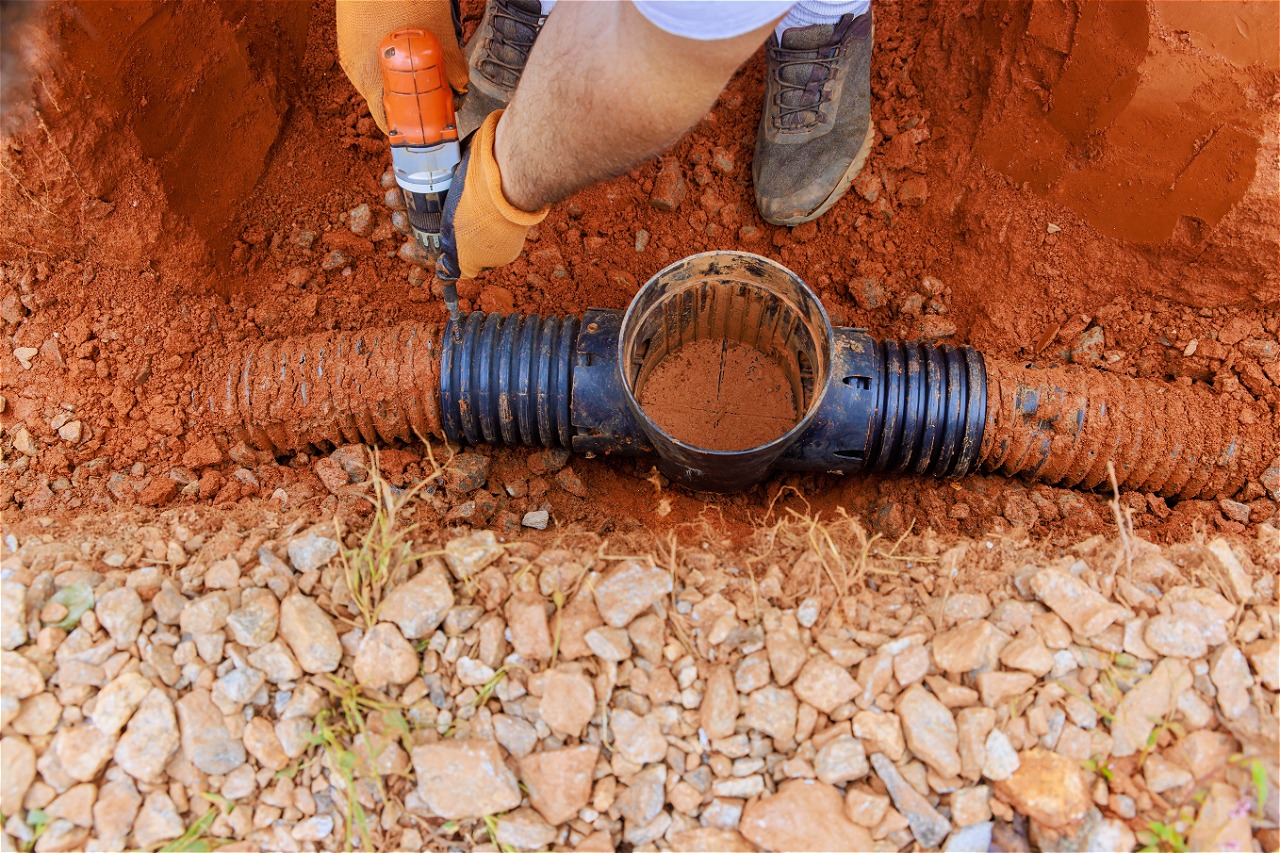
In Newtown Square, spring is a time of change. As the cherry blossoms reach their peak and the hills of Delaware County turn a bright green, people in the area are ready to go back outside. But there is a hidden problem under the beauty.
April is the most important month for the health of your property, according to what we’ve seen at Greenstone Gardens. It is the short time frame in which you can fix water problems before they become a major structural problem that costs a lot of money.
The “Saturated Sponge” Effect
In Pennsylvania, the ground has been through a tough freeze-thaw cycle by the time April comes around. The soil is still very dense and often clay-heavy, even though the surface may feel soft.
Your backyard is like a sponge. That sponge was frozen or asleep in the winter. The sponge is now full because of the spring thaw and the steady “April showers.” There is nowhere for any more rain to go because the ground is already fully soaked. This causes water to pool, create “marshy” areas in your lawn, and most dangerously look for a way to get to your home’s foundation.
Protecting Your Landscape Investment
April is the best month to plant flowers and “freshen up” your curb appeal. Water is your worst enemy right now, whether you’re laying down high-quality mulch, planting delicate perennials, or overseeding your lawn.
- Root Suffocation: If newly planted shrubs sit in still water for more than 24–48 hours, they can actually drown.
- Mulch Migration: A single heavy rain in April can wash away hundreds of dollars’ worth of fresh mulch if there isn’t enough drainage. It can end up on your driveway or down the street.
- Soil Erosion: Uncontrolled runoff can cause “mini-canyons” to form in your flower beds, which exposes roots and weakens the structure of your landscape.
Identifying Problems Before the Summer Humidity
April is the best month to put your home through its “stress test.” By finding drainage problems now, you can avoid a much bigger problem when the Delaware County humidity rises in June and July.
- Foundation Pressure: When the soil is wet, it pushes against the walls of your basement. If you find a wet spot in April, you can fix the outside drainage before the pressure causes a crack in the structure.
- The Mold Connection: Mold and mildew can grow in your home if it stays damp through April. Taking care of the water source now will keep your basement dry and the air quality high all summer long, even when it’s “sticky.”
Common Solutions for Newtown Square Properties
Every house in Newtown Square is different, but there are a few tried-and-true ways to fix our water problems:
- French Drains: French drains are trenches filled with gravel that have holes in them that move groundwater away from wet areas.
- Downspout Diversion: Putting your gutters underground so that they drain water 10 to 20 feet away from your foundation.
- Catch Basins: “Inlet boxes” that are put in low spots to quickly catch surface water and send it to a safe place to leave.
- Rain Gardens: A basin that is good for the environment and is planted with native plants that naturally filter and soak up runoff.
Why Choose Professional Drainage Services?
It’s easy to want to go to a big-box store and get a shovel and a roll of black plastic pipe, but drainage is a science. We know the exact shape of Newtown Square at Greenstone Gardens.
- Precision Grading: We use laser levels to make sure the “pitch” is just right so that gravity does the work for you.
- Code Compliance: We make sure that all of the water is redirected in a way that is legal, so you don’t have to worry about problems with your neighbors or local laws.
- Seamless Integration: We don’t just fix the problem; we make sure the solution is hidden or makes your yard look better.
Conclusion
April is the critical month that will make or break your property’s health. As the spring rains move in, the ground in Delaware County often struggles to keep up, leading to a “saturated sponge” effect. Taking advantage of professional drainage services now will not only keep your lawn from becoming a muddy mess but will also safeguard your home’s foundation, your expensive landscaping, and your family’s overall comfort.
Get Your Yard Under Control Today
Is your lawn still “spongy” days after the rain stops? Standing water is more than just an eyesore it is a threat to your property’s structural integrity. At Greenstone Gardens, we specialize in high-performance drainage solutions in Newtown Square tailored specifically to our local soil conditions. Our team of experts excels at designing custom systems from French drains to precision grading that protect your investment while blending seamlessly into your beautiful landscape.
To set up your appointment, call us at 484-939-6217 or go to our website. This April, let’s make sure that only your garden gets wet, not your basement.
Common Questions:
1. Why is my lawn in Newtown Square still soggy days after it stops raining?
This is often caused by the high clay content in Delaware County soil. After the winter freeze-thaw cycle, the ground becomes compacted, acting like a “saturated sponge” that cannot absorb additional spring rainfall, leading to surface pooling.
2. Can spring drainage issues cause foundation cracks in Pennsylvania homes?
Yes. Saturated soil exerts “hydrostatic pressure” against basement walls. In April, when the ground is heaviest with water, this pressure can cause structural shifting or hairline cracks that lead to costly leaks during the humid summer months.
3. What is the best way to divert downspout water away from a house?
The most effective method is a Downspout Diversion, where gutters are connected to underground solid piping. This carries roof runoff 10–20 feet away from the foundation to a bubbler pot or a dedicated drainage area.
4. How does a French drain work for backyard flooding?
A French drain is a gravel-filled trench containing a perforated pipe. It acts as a gutter for the ground, collecting sub-surface water and using gravity to redirect it away from low spots or “marshy” areas of your yard.
5. Will heavy April rain wash away my new mulch?
Without proper grading or “Catch Basins,” heavy runoff creates surface velocity that carries mulch onto driveways or sidewalks. Professional drainage ensures water flows under or around your landscape beds, not through them.
6. What is “Precision Grading” in landscaping?
Precision grading involves using laser levels to subtly reshape the slope (or “pitch”) of your land. This ensures that gravity naturally moves water away from the home without creating unsightly holes or steep drops in your lawn.
7. Do I need a permit for drainage work in Newtown Square?
Drainage laws vary by township. Professional installers ensure your system is Code Compliant, meaning you won’t accidentally redirect water onto a neighbor’s property or violate local runoff ordinances.