
Summary:
Maintaining a flagstone walkway involves regular sweeping, addressing weeds early, refreshing joint sand every spring, and resealing the stone every 2 to 3 years. Proper maintenance and local professional installation especially in areas like Wayne with freeze-thaw winters, prevent cracking, shifting, and drainage issues, keeping your natural stone pathway durable, safe, and beautiful for decades.
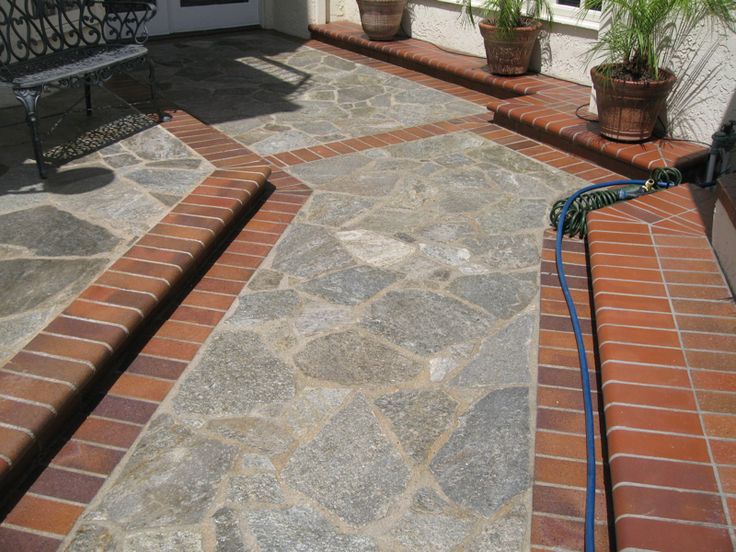
Few landscaping features add as much timeless charm to a property as flagstone walkways. Their natural texture, varied color palette, and rustic elegance make them a favorite among homeowners looking to elevate their outdoor spaces. But like any hardscape feature, flagstone requires regular care to keep it looking its best and to protect the investment you’ve made in your property.
At Greenstone Gardens, we’ve helped countless homeowners install and maintain beautiful stone pathways. In this guide, we’ll walk you through everything you need to know to keep your flagstone walkway durable, safe, and stunning for years to come and explain why professional flagstone installations in Wayne are built differently to handle our local climate.
Ready to design your dream yard?
If you are thinking about enhancing your landscape, the best time to start planning is now.
Get StartedWhy Flagstone Maintenance Matters
Flagstone is a natural stone, which means it’s porous and susceptible to weathering, staining, and shifting over time if not properly cared for. Without regular maintenance, you may notice:
- Loosened or uneven stones creating trip hazards
- Weeds and moss growing between joints
- Staining from dirt, algae, or organic debris
- Cracking caused by freeze-thaw cycles
- Fading or dulling of the stone’s natural color
The good news is that with a consistent maintenance routine, most of these issues are entirely preventable.
1. Sweep and Clean Regularly
Dirt, leaves, and organic debris trap moisture against the stone surface, which accelerates staining and encourages moss or algae growth. A simple weekly sweep with a stiff-bristled broom keeps debris from building up.
For deeper cleaning, rinse the walkway with a garden hose and scrub stubborn spots with a mild dish soap and water solution. Avoid harsh chemical cleaners, which can strip the stone’s natural patina and damage the surrounding joint material.
2. Address Weeds and Moss Early
Weeds that take root between flagstone joints can widen gaps over time and destabilize individual stones. Moss and algae, while sometimes visually appealing, retain moisture that can accelerate erosion of the joint material and make the walkway slippery.
Pull weeds by hand as soon as you spot them, and consider applying a natural, stone-safe weed preventer to joints in early spring. For moss and algae, a diluted vinegar solution or a specialized stone-safe cleaner works well without harming the flagstone.
3. Reapply Joint Sand or Polymeric Sand
Over time, the sand or jointing material between flagstones can erode due to rain, foot traffic, and freeze-thaw cycles. Gaps that are too wide allow more weeds to take hold and can cause stones to shift underfoot.
Inspect your joints each spring and refill any low spots with polymeric sand, which hardens when activated with water and helps lock stones in place while resisting weed growth.
4. Reseal the Stone Every 2–3 Years
A quality stone sealer protects flagstone from moisture penetration, staining, and UV fading while enhancing its natural color. Depending on foot traffic and sun exposure, most walkways benefit from resealing every two to three years.
Before applying sealer, make sure the stone is completely clean and dry. Using the wrong type of sealer or applying it to a damp surface can trap moisture and cause discoloration, so it’s often worth consulting a professional for this step.
5. Check for Shifting or Settling Stones
Seasonal freeze-thaw cycles and soil movement can cause individual flagstones to shift, tilt, or sink slightly over time. Left unaddressed, this creates uneven walking surfaces and potential trip hazards.
Walk your pathway periodically and check for any wobbling stones. Minor adjustments can often be made by lifting the stone, adding or leveling the base material underneath, and resetting it in place. More significant settling may indicate a drainage or base preparation issue that a professional should assess.
6. Manage Water Drainage Around the Walkway
Poor drainage is one of the most common causes of flagstone walkway damage. Water pooling on or beside the path can erode the base material, promote moss growth, and accelerate freeze-thaw cracking during Wayne’s colder months.
Make sure your walkway has a slight slope directing water away from the path, and keep nearby gutters and downspouts clear so runoff doesn’t pool along the edges.
Why Professional Flagstone Installations in Wayne Matter
The long-term durability of a flagstone walkway starts well before the first stone is laid. Proper base preparation including excavation depth, compacted gravel base, and correct drainage slope is essential for withstanding Wayne’s freeze-thaw winters and seasonal rainfall.
At Greenstone Gardens, our flagstone installations in Wayne are designed with the local climate in mind. We use regionally appropriate base materials and installation techniques that minimize shifting, cracking, and erosion, so your walkway stays level and beautiful for decades rather than just a few seasons.
When to Call a Professional
While routine sweeping, weeding, and sealing can be handled as DIY tasks, it’s time to bring in a professional if you notice:
- Multiple stones shifting or sinking across the walkway
- Persistent pooling water on or beside the path
- Large cracks running through individual stones
- Significant gaps or unevenness that create safety hazards
These issues often point to underlying base or drainage problems that require professional regrading or reinstallation to fix properly.
Enjoy a Beautiful Walkway for Years to Come
A well-maintained flagstone walkway is more than just a functional path it’s a lasting design feature that adds character and value to your property. With regular cleaning, timely joint maintenance, and periodic sealing, your flagstone can stay durable and beautiful through every season.
If your walkway needs repair, resealing, or you’re considering a brand-new installation, Greenstone Gardens is here to help. Contact us today to schedule a consultation and discover how our expertise in flagstone walkways and flagstone installations in Wayne can bring lasting beauty to your outdoor space.
Common Questions:
1. How often should I clean my flagstone walkway?
A quick sweep once a week helps prevent dirt and debris buildup. A deeper wash with mild soap and water is generally recommended every one to two months, or more often if your walkway is shaded and prone to moss or algae.
2. How often does flagstone need to be resealed?
Most flagstone walkways benefit from resealing every two to three years, though high-traffic or sun-exposed areas may need it more frequently. Sealing protects against staining, moisture damage, and UV fading.
3. Why do weeds keep growing between my flagstone joints?
Weeds take root in gaps where joint sand has eroded over time. Refilling joints with polymeric sand, which hardens and resists weed growth, is the most effective long-term solution.
4. Is it normal for flagstones to shift over time?
Some minor movement can happen due to freeze-thaw cycles and seasonal soil changes, but significant shifting, sinking, or wobbling usually signals a base or drainage issue that should be addressed by a professional.
5. Can I pressure wash my flagstone walkway?
Pressure washing can be used cautiously on stone but should be done at a lower pressure setting to avoid eroding joint material or damaging the stone’s surface. When in doubt, a soft-bristle scrub is the safer choice.
6. What causes flagstone to crack?
Cracking is most often caused by freeze-thaw cycles, poor base preparation during installation, or heavy loads on stones that weren’t properly supported. Proper installation and drainage significantly reduce this risk.
7. How is professional flagstone installation different from a DIY approach?
Professional installations in Wayne account for local soil conditions, frost depth, and drainage needs through proper excavation and base compaction. This groundwork is what prevents shifting, cracking, and uneven settling down the line issues that are common with DIY installations that skip proper base preparation.
8. Does moss or algae growth damage flagstone?
While moss and algae are mostly a cosmetic and slip-hazard concern, prolonged growth can trap moisture against the stone and joint material, gradually accelerating erosion and staining if left untreated.
Professional Landscaping & Hardscaping Contractor in Wayne, PA
With over 44 years of personal industry experience, we’ve dedicated ourselves to serving both residential and commercial clients with unparalleled landscaping services, including hardscaping, drainage solutions, landscape design, and outdoor kitchens.