
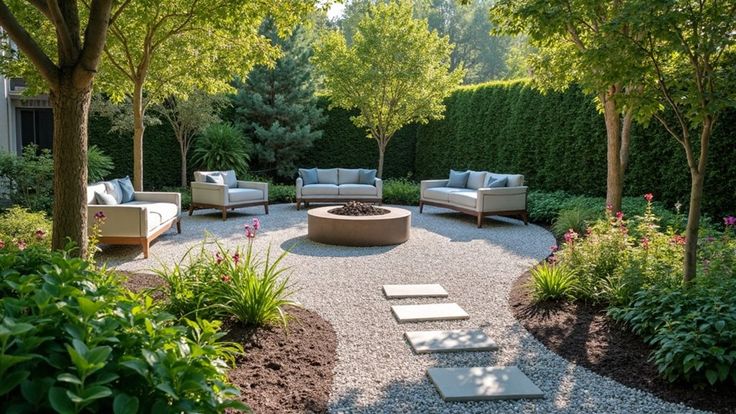
Your backyard holds more potential than you might realise. With the right hardscape installation, an underused patch of lawn can become a fully functional outdoor living room one that adds real estate value, curb appeal, and years of everyday enjoyment. At Greenstone Gardens, we’ve spent over four decades transforming backyards across Wayne, Newtown Square, and the greater Delaware County area into spaces our clients genuinely love. This guide walks you through the most impactful hardscape landscaping ideas we install for homeowners just like you.
What Is Hardscape Installation? (And Why It Matters)
Before diving into ideas, let’s ground the conversation. Hardscaping refers to the non-living, structural elements of an outdoor space patios, walkways, retaining walls, outdoor kitchens, and any built environment made from stone, concrete, pavers, or masonry materials.
Hardscape landscaping differs from softscaping (plants, grass, shrubs) in one critical way: it creates the framework within which your landscape lives. A well-planned hardscape gives your yard structure, solves drainage and erosion problems, extends your usable space, and dramatically reduces long-term lawn maintenance.
When homeowners search for hardscaping services in the Wayne, PA area, they’re often looking to solve one of these problems:
- A backyard that feels empty or disconnected from the home
- Slopes or drainage issues that make the yard difficult to use
- Lack of outdoor entertaining space
- Worn-out concrete patios or crumbling walkways
The good news? Every single one of those challenges has a beautiful hardscape solution.
7 Hardscape Installation Ideas That Transform Backyards
1. Paver Patio Installation: The Foundation of Outdoor Living
A paver patio is the single most popular hardscape installation we complete at Greenstone Gardens and for good reason. A well-designed paver patio instantly creates a defined outdoor “room” that flows naturally from your home.
Why pavers over poured concrete? Concrete slabs are prone to cracking as soil shifts with Pennsylvania’s freeze-thaw cycles. Interlocking pavers, by contrast, flex with the ground, are individually replaceable if damaged, and offer far greater design versatility.
At Greenstone Gardens, our patio installation process begins with proper base preparation compacted gravel sub-base, precise grading for drainage before a single paver is placed. That foundation work is what separates a 30-year patio from one that sinks and shifts in five.
Popular paver styles for Wayne, PA homes:
- Cobblestone-look pavers for colonial-era homes
- Large-format concrete pavers for a modern aesthetic
- Tumbled pavers for a relaxed, natural feel
- Permeable pavers for properties with stormwater concerns
2. Flagstone Patios: Natural Beauty That Never Goes Out of Style
If pavers offer versatility, flagstone offers character. Our flagstone patio installations use naturally quarried stone Pennsylvania bluestone, slate, limestone, or travertine laid in patterns that bring an organic, timeless quality to your backyard.
Flagstone is ideal for homeowners who want their outdoor space to feel like a natural extension of the landscape rather than a constructed add-on. It pairs beautifully with native plantings, cottage-style gardens, and traditional Pennsylvania architecture.
Flagstone installation options:
- Dry-laid flagstone set in gravel or stone dust, allows natural drainage, slightly more rustic appearance
- Wet-laid (mortared) flagstone set on a concrete base with mortar joints, more formal appearance, excellent durability
One important note on hardscape installation quality: flagstone is unforgiving of a poorly prepared base. We’ve re-done countless flagstone projects where previous contractors skipped proper sub-base preparation. At Greenstone Gardens, every flagstone project starts with an engineered base no shortcuts.
3. Stone Walkways: Connecting Your Outdoor Spaces
A backyard is only as functional as its circulation. Stone walkways guide movement, separate planting areas from traffic zones, and add aesthetic structure to the overall landscape design.
Our stone walkway installations cover everything from simple stepping stone paths through garden beds to formal entry walks from the driveway to the front door. We work with natural stone, concrete pavers, and combinations of both.
Key design principles for walkways:
- Width matters: A primary walkway should be at least 4 feet wide to allow two people to walk side by side. Accent paths can narrow to 2–2.5 feet.
- Edge definition: Clean edging prevents pavers or stone from shifting and keeps mulch or lawn out of the path.
- Grade and drainage: Walkways should slope slightly away from the house 1–2% is the standard to direct water flow properly.
A well-executed walkway doesn’t just look good; it actively protects your landscape by channeling foot traffic away from planted areas and preventing soil compaction.
4. Flagstone Walkways: Artisan Appeal, Lasting Function
For homeowners who want their garden paths to feel like they’ve always been there, flagstone walkways are the answer. The irregular shapes and natural colour variation of flagstone create a handcrafted look that manufactured pavers simply can’t replicate.
At Greenstone Gardens, we design flagstone walkways to complement the specific character of your property. Whether you’re threading a path through a woodland garden, connecting a patio to a detached garage, or creating a formal front entry, the material choice and layout should feel intentional never afterthought.
Flagstone walkways also work exceptionally well with low-growing groundcovers like creeping thyme planted in the joints, softening the stone and suppressing weeds naturally.
5. Segmental Retaining Walls: Solving Slopes, Creating Usable Space
One of the most transformative and often underappreciated hardscape installations is the retaining wall. If your backyard has any meaningful slope, you’re likely losing usable space to grade change and dealing with erosion every time it rains.
A properly engineered segmental retaining wall does several things simultaneously:
- Creates level terraces – converting a sloped yard into flat, usable tiers
- Controls erosion – preventing valuable topsoil from washing downhill
- Manages drainage – redirecting subsurface water away from the home’s foundation
- Defines planting beds – giving your landscape crisp, maintainable edges
6. Outdoor Kitchen Installation Bring the Chef’s Table Outside
The outdoor kitchen has moved from luxury to mainstream in the past decade and when done right, it genuinely changes how you live in your home for six or more months of the year. Our outdoor kitchen installations integrate seamlessly with existing patio or deck structures, or we design the entire hardscaped entertaining zone from scratch.
What a professional outdoor kitchen installation includes:
- Structural foundation: Poured concrete or masonry block base built to support the weight of countertops, appliances, and heavy use
- Cabinet and countertop installation: Weather-rated polymer cabinets or custom masonry, topped with granite, porcelain, or concrete countertops
- Appliance integration: Built-in grills, side burners, refrigerators, pizza ovens, and kegerators roughed in with gas lines and electrical by licensed tradespeople
- Lighting and shade: Pergolas, string lighting, and task lighting to extend evening usability
- Connection to patio: Hardscape design that frames the kitchen within a broader outdoor living zone
Why professional installation matters here more than almost anywhere else: An outdoor kitchen involves gas lines, electrical connections, and drainage trades that require licensing and permits in Pennsylvania. Greenstone Gardens coordinates every subcontractor so you have one point of contact throughout the project.
7. Integrated Drainage Solutions Within Your Hardscape Design
This one doesn’t get glamourised on Instagram, but it’s the difference between a hardscape that thrives for 30 years and one that deteriorates in five. Water is the enemy of every hardscape installation, it causes pavers to heave, retaining walls to fail, and patios to crack.
Our drainage services are typically planned alongside every hardscape project we undertake. That might mean:
- Channel drains running the edge of a patio
- French drains installed behind retaining walls
- Downspout extensions routed away from the hardscape
- Permeable paver systems that allow water to filter through the surface
- Drainage swales graded into the landscape to direct runoff
The best hardscape landscaping integrates drainage so naturally you never notice it until it rains and your patio stays dry while the neighbours’ pools up.
The Greenstone Gardens Hardscaping Process: What to Expect
Understanding what professional hardscaping services look like end-to-end helps you evaluate any contractor you’re considering. Here’s how we work:
Step 1: On-Site Consultation We visit your property, assess grades and drainage, discuss your goals, and review material options. No cookie-cutter proposals every project brief is site-specific.
Step 2: Design and Proposal You receive a written, itemised proposal with material specifications, timeline, and investment. We use EP Henry products and other regional suppliers known for durability in Pennsylvania’s climate.
Step 3: Permitting (Where Required) Retaining walls above certain heights, outdoor kitchens with gas, and some large patio installations require local permits. We manage the permitting process.
Step 4: Installation Our crews many with over a decade of experience execute the project. Daily cleanup is standard. We treat your property with respect because it’s someone’s home, not just a job site.
Step 5: Final Walkthrough Before we consider a project complete, we walk the installation with you and address any questions. Our work is backed by our commitment to your satisfaction.
Hardscape Installation Costs: What Factors Drive Pricing in Wayne, PA
We’re frequently asked about hardscape costs. While every project is unique, here are the major variables that determine investment:
- Material choice: Natural stone commands a premium over manufactured pavers; imported stone over domestic
- Site conditions: Rocky soil, poor drainage, or steep slopes add labour and material costs
- Project scope: An integrated patio + walkway + retaining wall project achieves economies of scale vs. three separate projects
- Permitting requirements: Engineered retaining walls or outdoor kitchens with gas require inspection fees
- Base preparation: Deep base requirements (due to poor soil or heavy load) increase material costs
The best way to get an accurate number is a site visit. We provide free, no-obligation estimates. Call us at 484-673-6777.
Why Greenstone Gardens Is the Right Choice for Hardscaping Services in Wayne, PA
We’re a second-generation, family-owned hardscaping and landscaping company with 44 years of combined industry experience. Our team has earned consistent recognition from HomeAdvisor (Top Rated, Elite Service, 5-Year Award) and Angi not because we’re the cheapest option, but because we consistently deliver work that holds up and looks exceptional.
What makes us different:
- We’re licensed (PA043573) and fully insured, protecting your property on every job
- We self-perform the hardscape work; we don’t subcontract our core craftsmanship
- We design drainage into every project, not as an add-on
- We’re local we know Pennsylvania’s soil conditions, freeze-thaw cycles, and material suppliers
Ready to Transform Your Backyard?
Whether you’re starting with a single patio installation or planning a complete backyard hardscape transformation, Greenstone Gardens is ready to help. We serve Wayne, Newtown Square, Bryn Mawr, Villanova, West Chester, Haverford, and communities throughout the Philadelphia Main Line and Delaware County.
Common Questions:
1. What is hardscape installation and what does it include?
Hardscape installation refers to the design and construction of non-living structural elements in an outdoor space. This includes patios, walkways, retaining walls, outdoor kitchens, fire pits, sitting walls, steps, driveways, and drainage systems. Unlike softscaping (plants and lawn), hardscaping uses durable materials like natural stone, concrete pavers, flagstone, and masonry. A professional hardscape installation by a company like Greenstone Gardens includes site assessment, base preparation, material installation, and drainage planning.
2. What is the difference between hardscaping and landscaping?
Landscaping encompasses all elements of outdoor design, including both hardscaping and softscaping. Hardscape landscaping specifically refers to the built, structural components patios, walls, walkways, and outdoor structures. Softscaping refers to the living elements: trees, shrubs, lawn, and garden beds. A complete bac